
Two Pieces of Wrist Fracture Clothing That Let You Dress One Handed

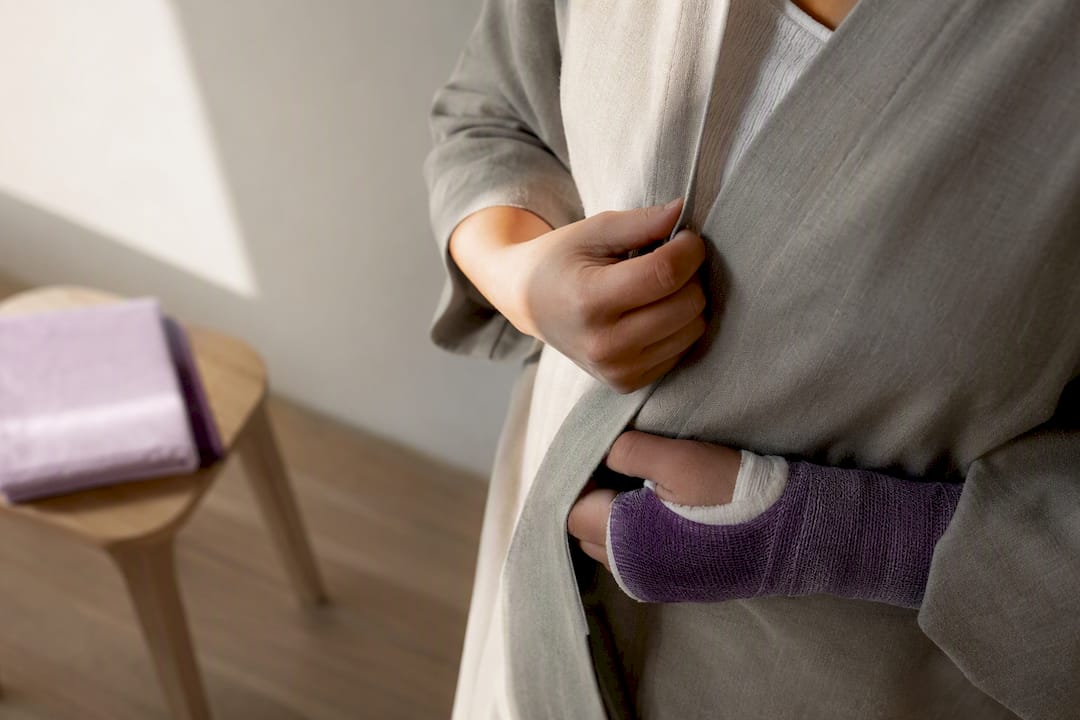
Choose tops with front or side openings, magnetic buttons, wrap styles, or wide dolman sleeves, and pair them with elastic-waist or side-zip pants. The single rule that makes all of it work: dress the injured arm first, undress it last. That sequence, plus a few adaptive pieces from specialized recovery clothing brands, turns a frustrating morning routine back into something you barely think about.
TL;DR:
Wearing clothes with wide openings, magnetic closures, or wrap designs greatly reduces the effort needed to dress with a wrist cast or brace.
Dressing should always start with the injured arm going in first and coming out last, to avoid twisting or stressing the healing wrist.
Oversized, stretchy tops like dolman sleeves or sleeveless styles are easiest to slide on over bulky braces, and sizing should be increased only where necessary.
The support type of wrist brace dictates clothing choices, with softer sleeves fitting under normal clothes and rigid immobilizers requiring more room and comfort-focused cuts.
Adaptive garments with strategic openings and closures are designed to facilitate dressing while maintaining the proper sequence and minimizing discomfort.
Table of Contents
Which Clothes Work Best for a Wrist Fracture?
You don’t need a whole new wardrobe. You need a handful of pieces that don’t ask your wrist to bend, twist, or push through a tight cuff. The right features do the work your hand can’t right now.
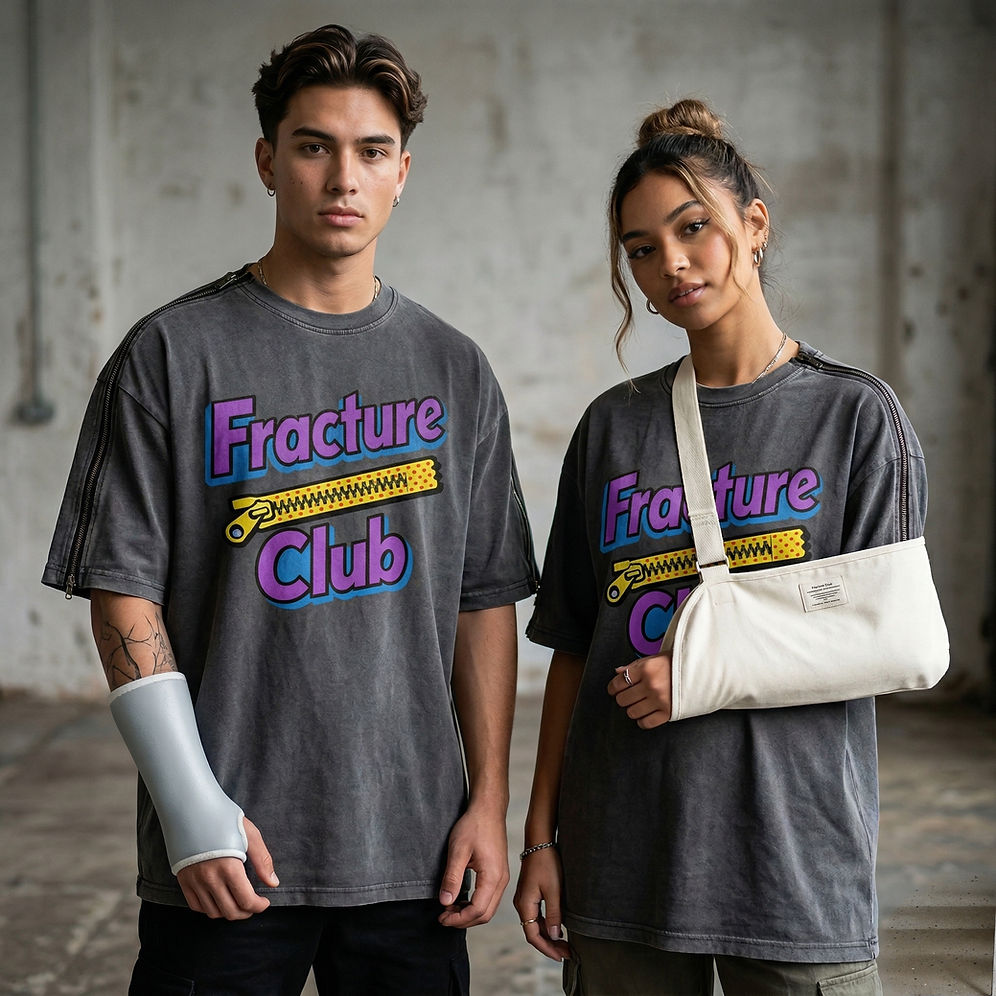
Front-opening and magnetic-button shirts let you close a top with one hand, no reaching behind your back, no fumbling with small buttons. Instead of true buttonholes, many use hidden magnets that snap shut when you bring the fabric edges close, so magnetic closures and side openings cut the movement needed to get dressed down to almost nothing.
[
](https://fracture-club.com/product-page/fracture-club-magnetic-shoulder-zip-tee-injury-recovery-wear)
Side-opening sleeves and wrap tops skip the sleeve entirely. A wrap top closes around your torso and injured arm rather than requiring you to thread a limb through a tube of fabric, which is exactly the geometry problem a cast or brace creates.
[
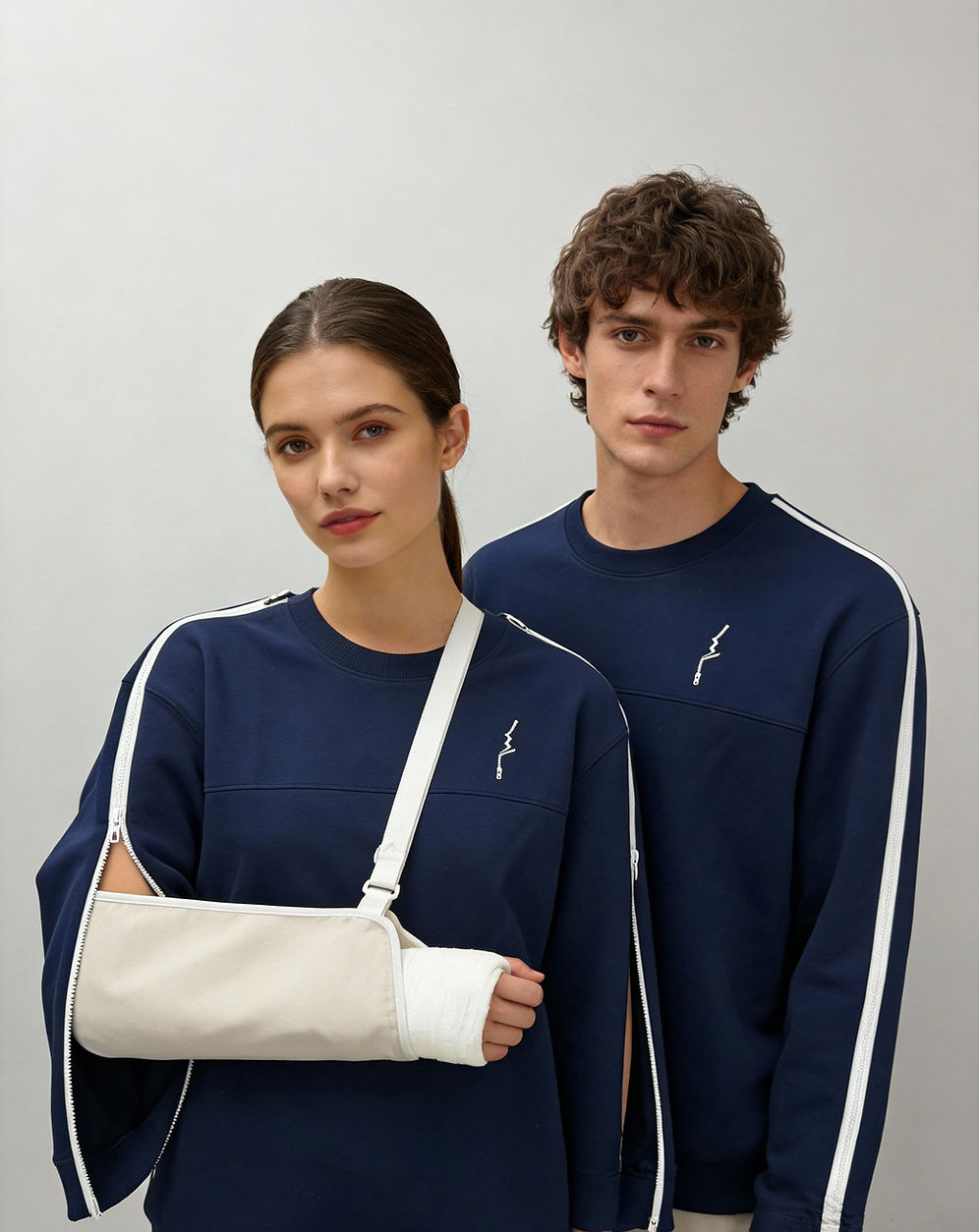
Wide-neck, dolman, and sleeveless tops give your arm room to slide in at an angle instead of straight down a narrow sleeve. Dolman sleeves, ponchos, and oversized stretchy tops are worth keeping in rotation even after the cast comes off, since they stay comfortable over a bulky brace too.
For the bottom half, look for:
Pull-on pants with a fully elastic waist, no button or zipper to manage
Side-zip pants that open along the hip so you can dress while seated
Outerwear with large zips or Velcro instead of snaps, roomy enough to fit over a brace
Soft, seamless interior stitching that won’t rub against the edge of a cast
Skip anything with small buttons, tight cuffs, or a stiff collar. Those details seem minor until you’re trying to manage them with one functioning hand, and then they become the entire obstacle.
How Do You Get Dressed One-Handed With a Wrist Fracture?
The dressing sequence is simple to say and easy to forget when you’re rushed: injured limb in first, everything out last. Follow it in reverse and you’ll end up twisting the wrist exactly where you shouldn’t.
Putting on a top:
Lay the garment flat on your bed or lap with the opening facing up.
Slide your injured arm in first, guiding it gently rather than pushing through resistance.
Bring the fabric around your back and slip your uninjured arm through its side.
Close magnetic snaps or Velcro from the front, working top to bottom.
For wrap-style tops, cross the fabric panels and secure the tie or closure with your stronger hand.
Putting on bottoms and shoes:
Sit down before you start. Balancing on one leg while managing a waistband is how falls happen.
Gather the pant leg and slide your foot through, injured-side foot first if you’re using a rigid brace that limits balance.
Pull pants up while seated, then stand briefly to finish, using a wall or chair for support.
For side-zip pants, dress the injured side first, then zip up along the hip with your free hand.
Choose slip-on shoes or sneakers with elastic laces so you’re not bending over to tie anything one-handed.
Pro Tip: Keep your wrist in a neutral, straight position while dressing, never bent or twisted, and use a long-handled reacher to grab clothing from a drawer instead of stretching for it. That small habit prevents more setbacks than any garment choice.
Sizing and Fit: Making Clothes Work Over a Cast
Sizing up isn’t cheating. A cast or brace adds real bulk, often two to three inches of circumference, and forcing a normal-fit sleeve over that just creates pressure points and skin irritation.
When you’re shopping or adapting existing clothes, keep these guidelines in mind:
Size up one full size in sleeves and cuffs rather than the whole garment, so the rest still fits properly
Measure around the widest part of your cast or brace, not your bare arm, before ordering anything
Choose knit or jersey fabrics with stretch; they flex around hardware without needing a bigger size at all
Favor flat or covered seams near the wrist and forearm to reduce chafing against the cast edge
Fracture Club’s own guide on sizing clothes over a cast walks through measuring specifics if you want a closer look before you buy anything new.
Simple modifications also stretch your existing wardrobe further. Swapping a button for a magnetic snap or adding a short side zip to a favorite pair of pants costs very little and can save a garment you’d otherwise retire for months. A tailor can do it in an afternoon if sewing isn’t your thing.
Pro Tip: If dressing still feels genuinely difficult after a few weeks, ask your doctor for a referral to an occupational therapist. They can recommend specific dressing aids tailored to your exact injury and range of motion.
Does Your Wrist Brace Change What You Should Wear?
Yes, and the type of brace you’re wearing matters more than most people expect. A soft compression sleeve is thin enough to fit under most regular sleeves. A splint with metal or plastic stays adds rigidity and width along one side of your forearm. A rigid immobilizer, often prescribed right after a fracture or surgery, is the bulkiest of the three and needs the most room.
Match your clothing to the support:
Soft sleeve: most stretchy tops and jackets fit fine underneath, no changes needed
Splint with stays: favor wider cuffs and avoid tight-fitting sleeves that press the stays into your skin
Rigid immobilizer: stick to dolman sleeves, wrap tops, or side-opening garments with generous room
Seam placement matters here too. A seam running directly over a splint’s edge will rub within an hour. Contoured, anatomically shaped braces with breathable knit reduce that friction, but your clothing still needs to clear the widest point without bunching.
One safety note worth repeating: always follow your clinician’s instructions on when the brace comes off for dressing and when it stays on. Never remove an immobilizer to make dressing easier unless you’ve been told it’s safe to do so.
How Can You Help Someone Dress With a Broken Wrist?
If you’re caring for someone recovering from a wrist fracture, your job is part physical support, part reassurance. Stabilize the injured arm gently and tell them what you’re about to do before you move it. A sudden shift, even a well-meaning one, can cause real pain.
Prep the clothing before you start. Open every closure, magnetic snap, Velcro strip, or zipper, so nothing needs fastening mid-motion while you’re also supporting their arm.
Set up the space first: a sturdy chair at a comfortable height, a non-slip mat underfoot, good lighting so you can see closures clearly. Small environmental fixes prevent most dressing accidents.
Let them do whatever they can manage on their own; independence matters as much as comfort
Offer assistive tools like a dressing stick or button hook rather than taking over completely
Move slowly through each step and check in verbally
Pro Tip: Ask before you help, not while you’re already reaching. “Can I hold your sleeve while you slide your arm through?” preserves dignity in a moment that already feels vulnerable.
Why Fracture Club Designs Around the Dressing Sequence
Most clothing assumes full mobility on both sides of your body. Fracture Club builds around the opposite assumption: that one arm may be locked in a cast or brace for weeks, and every garment has to accommodate that reality from the first stitch. Features like wide magnetic side zips and generous openings exist because the dressing sequence, injured limb in first, out last, only works if the garment cooperates. The brand also channels a portion of proceeds to the Bone Health & Osteoporosis Foundation, which fits a mission built around recovery rather than just apparel.
— Fracture
Fracture Club Pieces Worth Trying
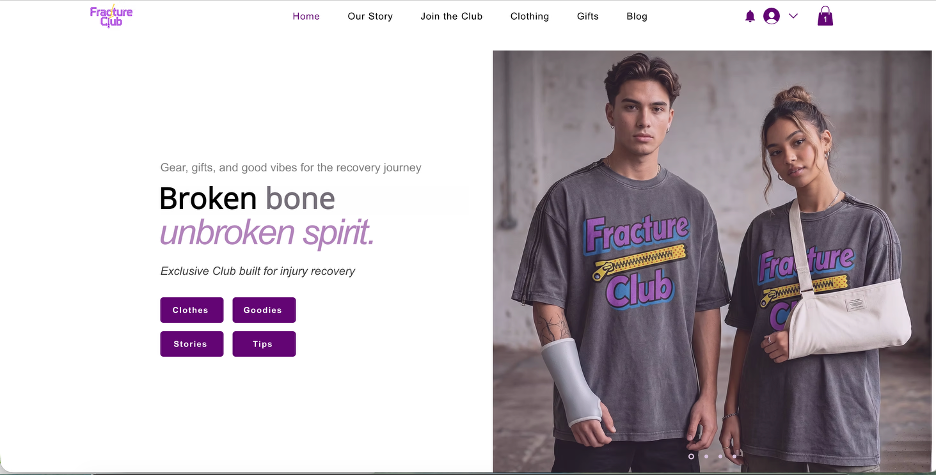
If you’re ready to swap frustration for something that actually works with your recovery, two pieces cover most of what a wrist fracture demands. The Unisex Easy-On/Off Sweatshirt is built for upper-limb immobilization specifically, with openings wide enough to clear a rigid brace or cast without forcing your arm through a standard sleeve. It fits best if you’re dealing with a splint, cast, or immobilizer that limits shoulder and elbow movement, not just wrist motion.
[
](fracture-club.com)
For the bottom half, the Adaptive Recovery Pants with Side Magnetic Zippers are designed for seated dressing, exactly the position most people find easiest after a wrist fracture. The side zips mean you never have to balance on one leg while managing a waistband.
When choosing sizes, go by your usual fit and size up only in areas where a brace adds bulk, sleeves and cuffs, not the whole garment. If you’re unsure which closures suit your specific injury, the inquiry page connects you directly with someone who can help you pick the right fit before you order.
Sources
For deeper detail, see Fracture Club’s guides on dressing with an arm cast and getting dressed after a fracture or surgery, plus Movira’s take on easy-care clothing for broader wardrobe adjustments during recovery.
Recommended
Comments