
How Inflammation Affects Bone Recovery: 2026 Guide

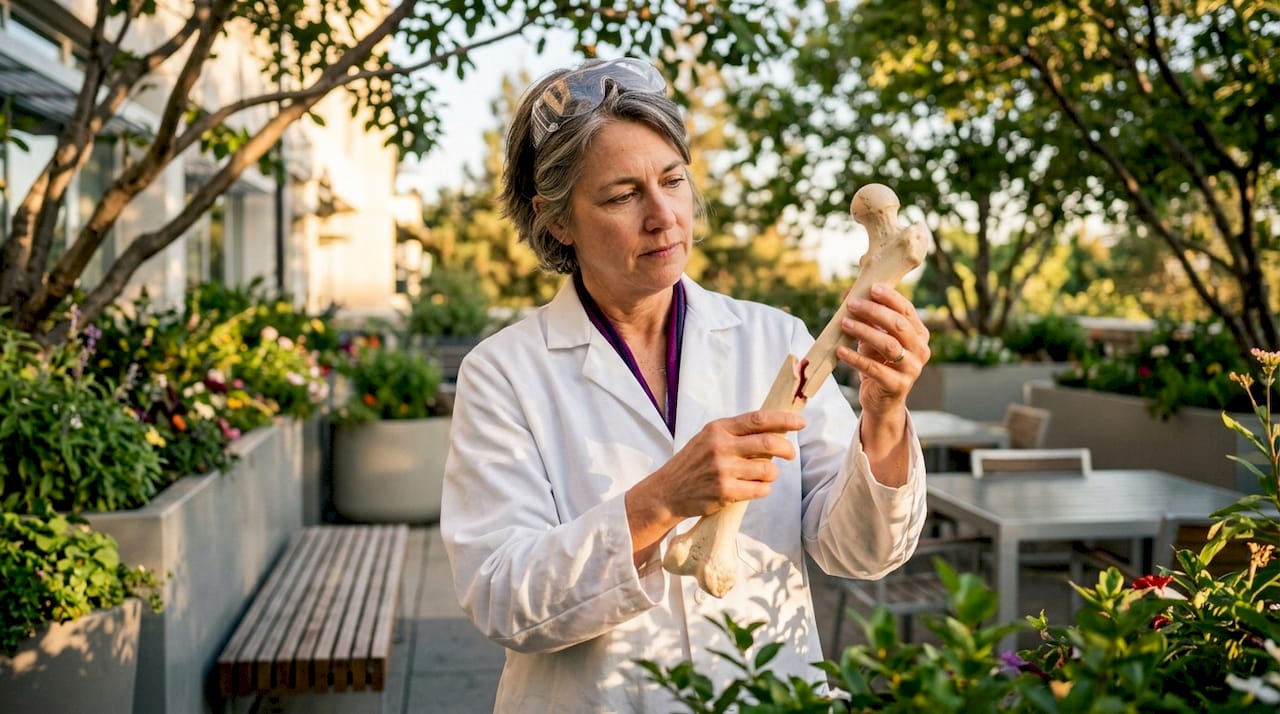
Inflammation is the body’s first responder after a bone fracture, triggering the entire repair process within minutes of injury. Understanding how inflammation affects bone recovery is the difference between healing on schedule and facing complications like delayed union or nonunion. The key insight most people miss: your goal is never zero inflammation. Your goal is balanced inflammation, timed correctly across each phase of repair. Get that balance right, and your body does most of the work. Get it wrong, and healing stalls in ways that are hard to reverse.
How does inflammation affect bone recovery phase by phase?
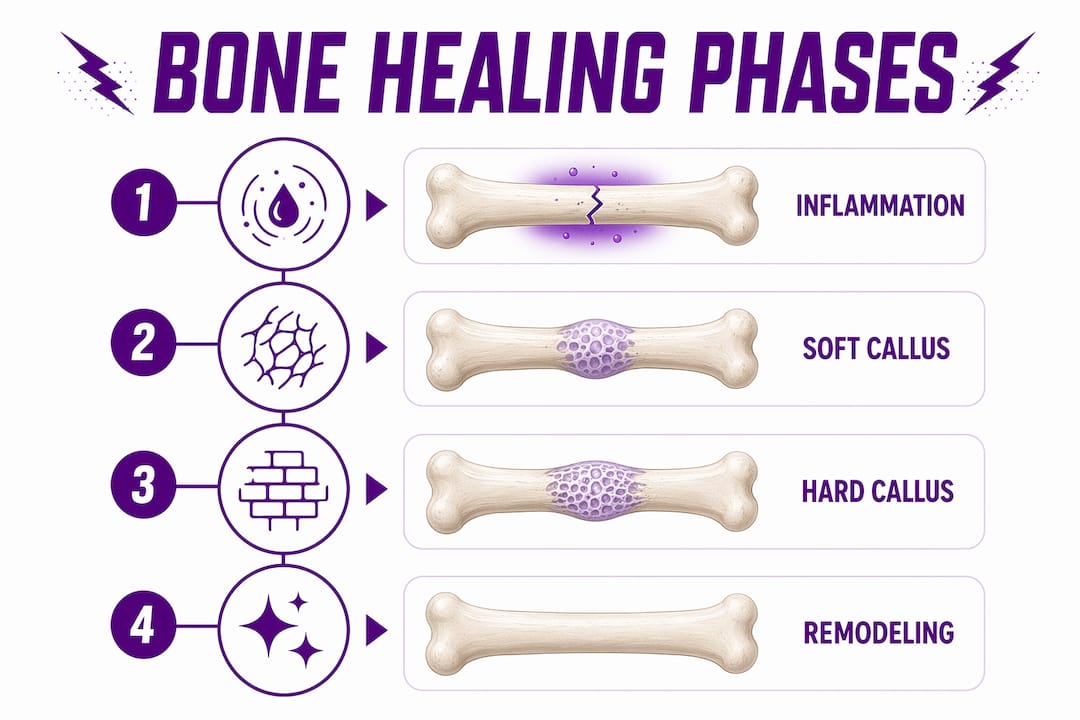
Fracture healing follows four distinct phases: hematoma formation, soft callus development, hard callus formation, and bone remodeling. Inflammation is not a side effect of this process. It is the process, at least in the beginning.
Here is how each phase unfolds:
Hematoma formation (Days 1–3). A blood clot forms at the fracture site. Immune cells flood the area. Acute inflammation peaks within 24–48 hours after the break and begins resolving within about 7 days. This surge is necessary. It clears dead tissue and sends chemical signals that recruit repair cells.
Soft callus formation (Days 7–21). Neutrophils and macrophages hand off control to specialized repair cells. The body starts laying down cartilage to bridge the fracture gap. Pro-inflammatory signals begin stepping back, and pro-resolving signals take over.
Hard callus formation (Weeks 3–12). Cartilage mineralizes into woven bone. Angiogenesis, the growth of new blood vessels, accelerates. This phase depends on a clean transition away from the initial inflammatory environment.
Remodeling (Months 3–24+). Woven bone is gradually replaced by stronger, organized cortical bone. T cells and cytokines regulate this final phase. Disruptions here often go unnoticed until a follow-up X-ray reveals incomplete healing.
Pro Tip: Do not judge your recovery by how much swelling you see in the first week. That swelling is your immune system doing its job. The concern is swelling that persists beyond three to four weeks without improvement.
The timing of each transition matters enormously. Successful repair depends on orchestrating inflammation dynamics rather than simply suppressing them. Think of it less like putting out a fire and more like managing a controlled burn.
Can inflammation delay bone recovery? what the research shows
Yes, and the mechanism is specific. When inflammation persists beyond its useful window, it shifts the biological balance away from bone formation and toward bone destruction.
The key players are two cytokines: TNF-α (tumor necrosis factor alpha) and IL-1β (interleukin 1 beta). Excess TNF-α and IL-1β promote osteoclast activity over osteoblast activity. Osteoclasts break down bone. Osteoblasts build it. When inflammation tips the scales toward osteoclasts, the fracture site erodes instead of consolidates.
The clinical outcome of this imbalance has a name: nonunion. Nonunion is defined as failure to heal within 6–9 months of injury. It is not just slow healing. It is a biological failure state driven, in many cases, by an aberrant inflammatory reaction that never resolved properly.
Several factors increase your risk of this outcome:
Smoking. Nicotine constricts blood vessels and reduces oxygen delivery to the fracture site, prolonging the inflammatory phase.
Uncontrolled diabetes. Diminished nerve function impairs the neuroimmune signals that help resolve inflammation. Research shows that impaired innervation in diabetes directly disrupts healing.
Autoimmune conditions. Rheumatoid arthritis and similar diseases create a baseline of chronic inflammation that the fracture site cannot escape.
Poor nutrition. Deficiencies in protein, vitamin D, calcium, and magnesium deprive the immune system of the raw materials it needs to resolve inflammation and build new bone.
“Chronic inflammation skews the balance between bone formation and resorption. Managing inflammatory diseases is not optional for patients at risk of nonunion. It is part of the treatment.”
The impact of inflammation on bones is not abstract. It shows up on imaging, in pain levels, and in the length of your recovery. Recognizing the signs of prolonged inflammation early gives you and your care team the best chance to intervene.
What immune cells control inflammation and bone repair?
The field studying this intersection is called osteoimmunology. It examines how the immune system and the skeletal system communicate, and the findings are more intricate than most patients realize.

Immune Cell | Role in Healing | Risk When Dysregulated |
Neutrophils | First responders; clear debris and trigger repair signals | Excessive activity prolongs inflammation |
M1 Macrophages | Pro-inflammatory; remove necrotic tissue | Prolonged M1 presence linked to delayed healing |
M2 Macrophages | Anti-inflammatory; support angiogenesis and callus formation | Insufficient M2 transition impairs bone formation |
T Cells | Regulate remodeling phase via cytokine signaling | Dysregulation disrupts final bone organization |
The most critical transition in this table is the shift from M1 to M2 macrophages. Macrophage polarization from M1 to M2 phenotype is the biological pivot point between inflammation and repair. When macrophages stay locked in the M1 state, the fracture site stays locked in an inflammatory state. Research confirms that depleting macrophages inhibits callus formation entirely, which shows just how central these cells are to healing.
One of the more surprising findings in recent research involves the nervous system. Neutrophil-triggered nociceptive nerve ingrowth drives inflammation resolution by promoting lipoxin A4 production in osteoblasts. In plain terms: the pain nerves growing into your fracture site are not just signaling discomfort. They are actively helping shut down the inflammatory phase. This neuroimmune feedback loop is one reason why conditions that damage nerves, like diabetes, correlate with worse healing outcomes.
Pro Tip: If you have a condition that affects your immune system or nerve function, tell your orthopedic team before your first follow-up appointment. These factors change how aggressively your care team should monitor inflammation markers.
How do nsaids and lifestyle choices impact bone healing?
This is where the advice gets more nuanced, and where well-meaning choices can backfire.
Nsaids: helpful or harmful?
Nonsteroidal anti-inflammatory drugs like ibuprofen and naproxen are a reflex reach for anyone in pain. The problem is that prolonged NSAID use suppresses collagen X and VEGF expression during early fracture healing. VEGF drives new blood vessel growth. Collagen X is critical for cartilage mineralization. Suppress both, and you slow the transition from soft callus to hard callus. The research specifically links extended NSAID use to increased risk of delayed union and nonunion.
Short-term use for acute pain management is a different clinical conversation. The key word is prolonged. Anti-inflammatory treatment decisions must be personalized based on your injury type, phase of healing, and overall health. Never adjust your medication regimen without talking to your doctor first.
Lifestyle factors that shift the balance
Factor | Effect on Inflammation | Effect on Healing |
Smoking | Prolongs inflammatory phase | Significantly delays union |
Omega-3 rich diet | Supports pro-resolving signals | Faster transition to repair phase |
Vitamin D deficiency | Impairs immune regulation | Slower callus formation |
Sleep deprivation | Elevates systemic inflammation | Disrupts all healing phases |
Alcohol excess | Increases inflammatory cytokines | Reduces bone density and repair |
Nutrition is one of the most underused tools in bone recovery. Post-fracture nutrition directly shapes how your immune system manages the inflammatory response. Protein supports the cellular machinery of repair. Omega-3 fatty acids from sources like salmon and walnuts help shift the body toward pro-resolving mediators. Magnesium, often overlooked, plays a direct role in bone repair processes and inflammation modulation.
What strategies support healthy inflammation management?
Managing inflammation during bone recovery is not about suppressing it. It is about supporting its natural progression.
Let acute inflammation run its course. The first week of swelling, warmth, and pain is biologically productive. Aggressive icing or early anti-inflammatory use during this window can interrupt the signals your body needs to start repair.
Prioritize sleep. Growth hormone, which supports bone formation, releases primarily during deep sleep. Sleep deprivation also elevates systemic inflammatory markers that compete with local healing signals.
Eat for resolution. Focus on diet and bone recovery with anti-inflammatory foods: fatty fish, leafy greens, berries, and nuts. Avoid processed foods and excess sugar, which drive systemic inflammation.
Manage comorbidities actively. Diabetes, obesity, and autoimmune conditions all sustain elevated baseline inflammation. Working with your primary care physician to control these conditions is as important as your orthopedic follow-ups.
Ask about emerging therapies. Hyperbaric oxygen therapy (HBOT) is one option gaining research attention. HBOT reduces inflammation by increasing oxygen delivery to healing tissue and supporting the macrophage polarization shift from M1 to M2.
Keep your follow-up appointments. Nonunion is far easier to address when caught at the 3-month mark than at the 9-month mark. Imaging at scheduled intervals is the only reliable way to confirm your healing is progressing on track.
Pro Tip: Ask your doctor specifically about your C-reactive protein (CRP) levels at follow-up visits. Elevated CRP is a blood marker of systemic inflammation and can signal that your healing environment is not resolving as expected.
Key takeaways
Bone recovery depends on inflammation that starts strong, transitions cleanly, and resolves completely. Chronic or excessive inflammation is a direct biological driver of delayed healing and nonunion, not just a symptom.
Point | Details |
Inflammation timing is everything | Acute inflammation resolves in about 7 days; disruptions to this timeline impair all subsequent healing phases. |
Chronic inflammation causes bone loss | Excess TNF-α and IL-1β activate osteoclasts, shifting the fracture site toward resorption instead of repair. |
Macrophage transition drives recovery | The shift from M1 to M2 macrophages is the biological pivot from inflammation to bone formation. |
NSAIDs carry real healing risks | Prolonged use suppresses VEGF and collagen X, slowing callus development and increasing nonunion risk. |
Lifestyle shapes your immune response | Smoking, poor nutrition, and uncontrolled comorbidities all sustain inflammation beyond its useful window. |
What i have learned about inflammation and recovery
Most people come to me believing that less inflammation always means faster healing. That belief leads to some of the most counterproductive choices I see during recovery: icing constantly in week one, reaching for ibuprofen at the first sign of swelling, avoiding any discomfort as if pain itself were the enemy.
The uncomfortable truth is that early inflammation is not your problem. It is your solution. The body has been running this repair program for millions of years. The fracture triggers it. The immune system executes it. Your job in the first week is mostly to stay out of the way.
Where I see recoveries genuinely stall is in the chronic phase. Patients with unmanaged diabetes, patients who smoke through their recovery, patients who eat poorly and sleep less than six hours a night. These are the cases where inflammation does not resolve, where the M1-to-M2 transition never completes, where the fracture site stays stuck in a destructive loop. The science on this is not ambiguous.
What I wish more patients understood is that managing inflammation for bone recovery is a whole-body project. It is not just about the fracture site. Your systemic inflammatory state, shaped by your diet, your sleep, your chronic conditions, and your habits, sets the ceiling for how well your local healing can proceed. Raise that ceiling, and your body will do the rest.
— Fracture
Gear that works as hard as you do
Recovery is physical and emotional, and the last thing you need is clothing that fights you every morning. Fracture-club designs adaptive recovery wear specifically for people healing with casts, braces, and slings.
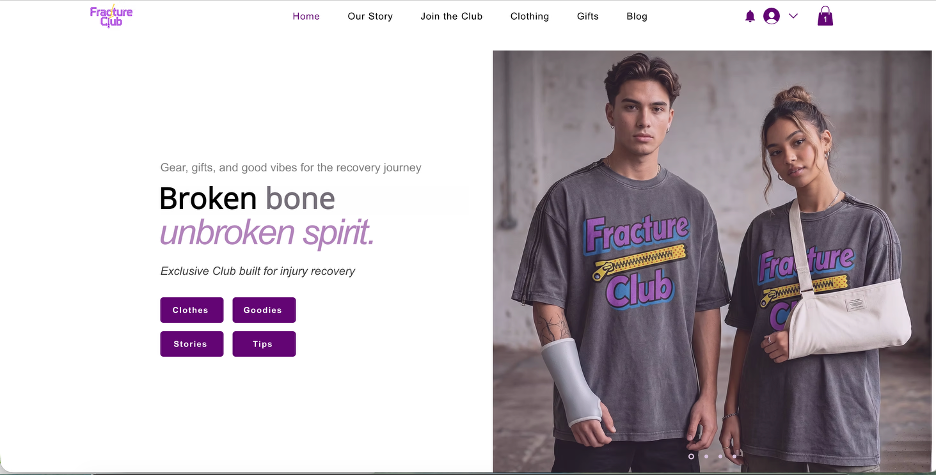
The adaptive recovery pants feature magnetic side zippers that open wide enough to dress over a cast without twisting or straining. The easy-on recovery sweatshirt is built for upper limb injuries, letting you dress independently without aggravating your fracture site. If you are not sure where to start, the Fracture-club inquiry page connects you with personalized guidance for your specific recovery situation. You are healing. Your clothes should help, not hinder.
FAQ
What is the role of inflammation in bone healing?
Inflammation initiates bone repair by clearing dead tissue and recruiting immune cells to the fracture site. Without this acute phase, the subsequent stages of callus formation and remodeling cannot begin.
How does chronic inflammation slow bone recovery?
Chronic inflammation elevates TNF-α and IL-1β, which activate osteoclasts and promote bone resorption instead of formation. This imbalance is a primary biological driver of nonunion, defined as failure to heal within 6–9 months.
Do nsaids affect bone healing?
Prolonged NSAID use suppresses VEGF and collagen X expression during early healing, reducing angiogenesis and cartilage mineralization. Short-term use may be appropriate, but decisions should always be made with your physician based on your specific injury and healing phase.
What foods help manage inflammation during bone recovery?
Omega-3 rich foods like salmon and walnuts, leafy greens, and berries support pro-resolving immune signals. Avoiding processed foods, excess sugar, and alcohol reduces systemic inflammation that can compete with local bone repair.
When should i be concerned about inflammation after a fracture?
Swelling and warmth in the first 7–10 days are normal and expected. Persistent swelling, increasing pain after the first two weeks, or lack of visible progress on imaging at your 6-week follow-up are signs worth discussing with your orthopedic team immediately.
Recommended
Comments