
Why Hospital-to-Home Clothing Matters for Patients

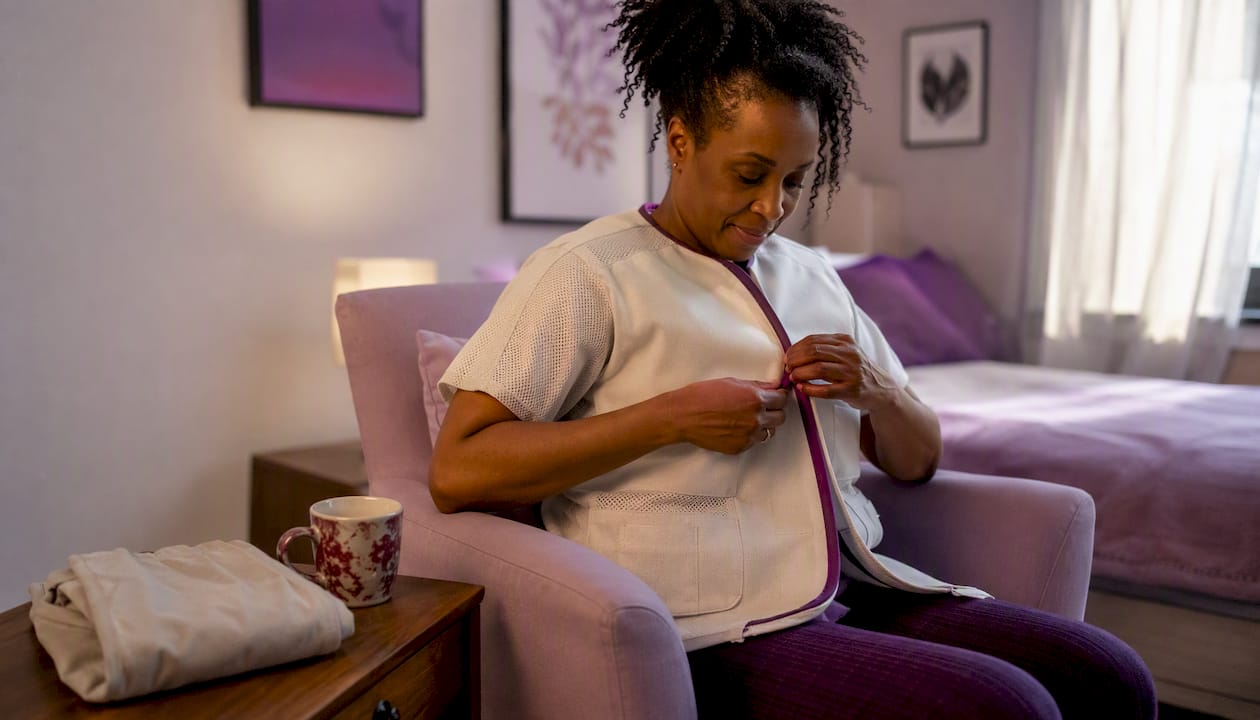
The right clothing at hospital discharge isn’t a small detail. It directly shapes your dignity, your safety, and how quickly you start feeling like yourself again. Choosing appropriate recovery attire for home is one of the most practical steps you and your caregiver can take to support healing from day one.
Here’s why it matters at a glance:
Preserves dignity and identity. Changing out of a hospital gown and into your own clothes signals a return to personal agency. That psychological shift is real and it matters.
Reduces barriers to mobility and wound care. Garments designed for easy access let you move more freely and allow caregivers to assist without unnecessary pain or exposure.
Makes dressing safer and less stressful. Adaptive closures, non-slip footwear, and the right fit reduce fall risk and frustration for both patients and caregivers.
Simple adaptive features, like magnetic closures, elastic waists, and soft breathable fabrics, deliver outsized benefits during recovery. You don’t need a wardrobe overhaul. You need a few well-chosen pieces.
Table of Contents
Why does hospital-to-home clothing affect recovery and identity?
What are the physical benefits of the right recovery clothing?
What features should you look for in hospital-to-home clothing?
How can caregivers assist with dressing while protecting dignity?
When should you buy adaptive clothing, and what does it cost?
What does research say about patient clothing and well-being?
Why does hospital-to-home clothing affect recovery and identity?
Clothing does more than cover your body. It communicates to your brain whether you’re a patient or a person in recovery. Research published in PubMed confirms that the hospital gown negatively affects patient well-being, while personal clothing supports dignity and a sense of self during a vulnerable time.
The End PJ Paralysis movement, supported by Alberta Health Services and health systems across North America, is built on exactly this principle. Getting patients dressed in their own clothes and moving during hospitalization reduces deconditioning and preserves function, particularly in older adults. The clinical rationale is strong: dressing is itself a form of physical therapy.
“Dressing in personal clothes acts as a ‘small win’ that builds psychological momentum; caregivers supporting dressing help the patient regain agency and practice self-care behaviors.” — rehabINK
There’s also a meaningful distinction between day clothes and sleepwear. Wearing day-oriented homewear rather than pajamas supports routine, separates rest from active recovery periods, and psychologically reinforces that you’re moving forward. Staying in pajamas all day blurs that line in ways that can quietly stall recovery momentum.
A note on the evidence: A qualitative interview study in PubMed Central found that patient clothing functions as a physical environmental factor that facilitates treatment and supports healing of both mind and body. The evidence is emerging rather than definitive, but the practical rationale is consistent across health systems and patient experience research.
What are the physical benefits of the right recovery clothing?
Comfort isn’t just about feeling good. The wrong fabric or fit can cause real problems: skin irritation around incisions, restricted movement that discourages walking, and loose hems that create tripping hazards.
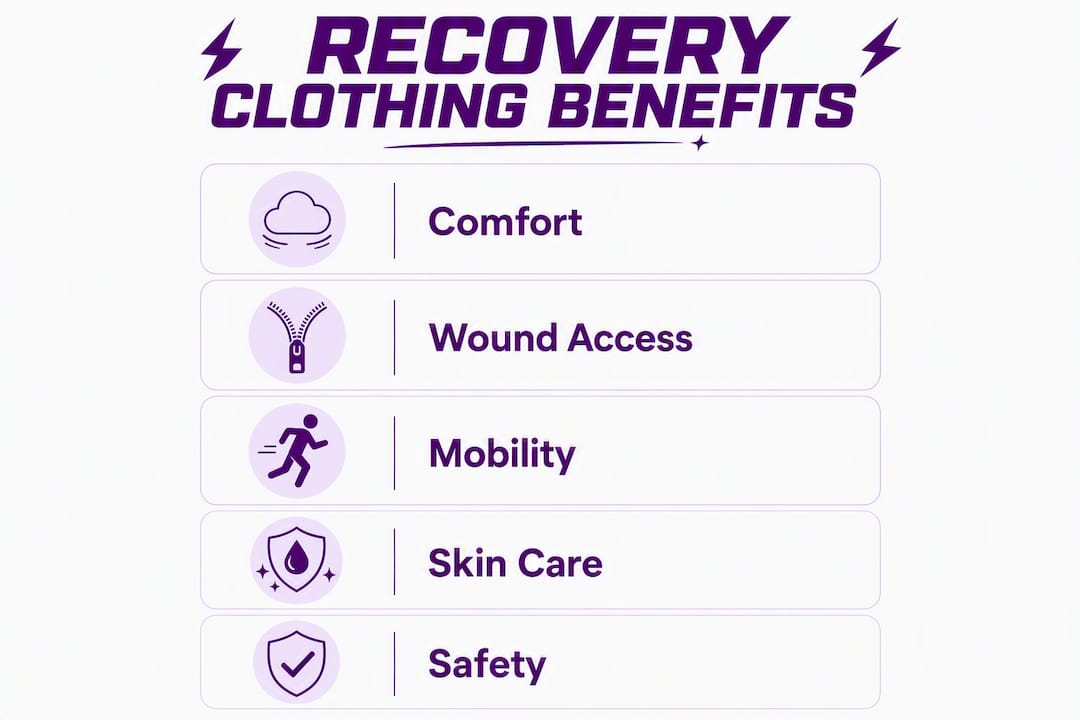
Fabric and skin comfort. Soft, breathable fabrics like cotton jersey or modal reduce friction against sensitive skin, surgical sites, and cast edges. Avoid stiff denim or synthetic fabrics that trap heat or irritate healing tissue. Loose-knit or stretchy materials also accommodate swelling, which is common in the days after surgery or injury.
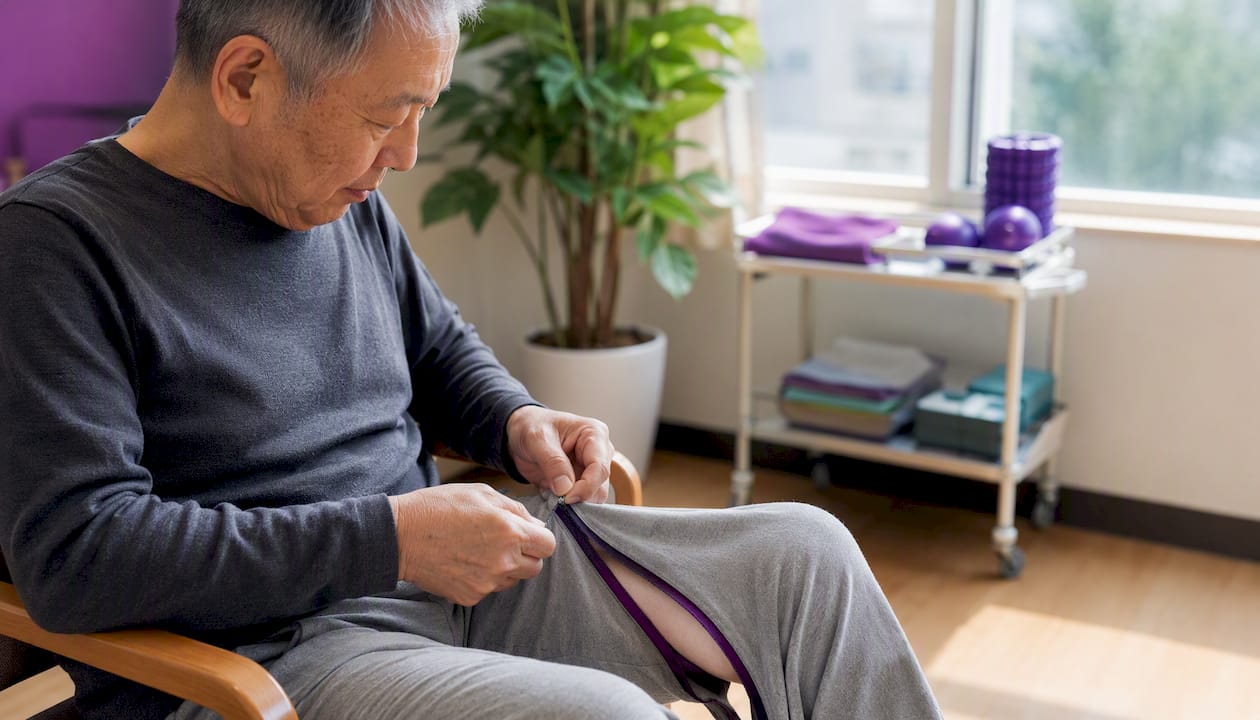
Easy-on/off closures and wound access. Adaptive garment features such as magnetic closures, side zips, and wide openings make dressing manageable when you’re working around a cast, sling, IV site, or limited range of motion. A standard pullover shirt can be excruciating with a shoulder injury. A side-zip sweatshirt takes seconds. That difference matters every single morning.
Mobility and fall risk. Ill-fitting clothes, particularly pants that are too long or tops that restrict arm movement, increase fall risk during transfers and early walking. Footwear is the biggest variable. Slip-on shoes with non-slip soles and adjustable straps accommodate swollen feet and reduce the effort of bending down, which many post-surgical patients simply cannot do safely.
Pro Tip: When choosing fabrics for the first week home, prioritize stretch and softness over appearance. A garment that goes on without pain is worth far more than one that looks polished but requires a caregiver’s help every time.
What features should you look for in hospital-to-home clothing?
Think of this as your discharge attire checklist. Not every item applies to every situation, but running through it before discharge day saves real stress.
Closures and openings:
Front-opening shirts and jackets (snaps, zippers, or magnetic closures)
Wide neck openings for patients with shoulder or neck injuries
Side zips on pants and shorts for cast or brace access
Magnetic closures that work with one hand or limited grip strength
Elastic or drawstring waists that adjust for swelling
Fabric and fit:
Soft, breathable cotton or cotton-blend fabrics
Loose or relaxed fit through the hips, thighs, and arms
Seam placement that avoids incision sites (flat seams preferred)
Easy to launder at home and quick to dry
Footwear:
Non-slip rubber soles (critical for wet bathroom floors)
Slip-on or velcro-strap styles that don’t require bending
Wide toe box to accommodate swelling or a cast boot
Avoid backless slippers, which shift underfoot during transfers
Layering and temperature control:
A light zip-up or button-front cardigan for warmth during transfers
Avoid heavy overhead sweaters in the first weeks post-surgery
Consider the weather between the hospital exit and your front door
For a deeper look at choosing recovery pants that work with casts and braces, Fracture-club’s guide covers the key fit and closure decisions in detail.
Pro Tip: Pair your recovery clothing choices with your mobility aids. If you’re using a walker or crutches, pants with a slightly tapered ankle can catch on footrests. Wide-leg or straight-cut styles with side zips are safer and easier to manage. You can also cross-reference a recovery-focused mobility equipment list to make sure your clothing and equipment work together from day one.
How should you plan and pack for hospital discharge?
Discharge day tends to arrive faster than expected. Having a bag ready, or at least a clear list, removes one source of stress from an already demanding day.
A practical discharge packing list:
1 full day outfit (loose pants, front-opening top, socks)
1 backup outfit in case of spills or unexpected delays
3 pairs of underwear (or more for longer stays)
Non-slip slip-on shoes or sneakers with velcro
A light zip-front jacket or cardigan
Hygiene basics (toothbrush, deodorant, lip balm)
Any mobility aids or braces you arrived with
A simple memory aid: think in threes. Three outfits, three pairs of underwear, three pairs of socks. For a short stay, that’s more than enough. For a longer admission, multiply by two. The goal is to avoid doing laundry in the first 48 hours home.
If clothing was cut off in an emergency, don’t assume you’re out of options. Ask your nursing staff or patient support team about discharge clothing assistance programs. Cleveland Clinic’s program and Iredell Health System’s Dress for Discharge closet are two examples of hospital-based programs that stock new, sized clothing for patients who need it. Many hospitals have similar resources that go unannounced unless you ask.
Seasonal note: The walk from the hospital exit to the car is short, but it matters. In winter, a front-zip fleece or a blanket in the car covers the gap. In summer, light breathable layers prevent overheating during a slow transfer. Pack for the weather outside, not the temperature inside the ward.
For a full orthopedic recovery care package checklist, Fracture-club has assembled a practical list of recovery essentials worth reviewing before discharge day.
How can caregivers assist with dressing while protecting dignity?
Helping someone dress after a hospital stay requires patience, clear communication, and a few practical techniques. Done well, it supports independence. Done poorly, it can feel humiliating for the patient and stressful for the caregiver.
Step-by-step dressing guide for caregivers:
Choose the garment first. Lay out the full outfit before you begin. Magnetic closures, side zips, and elastic waists reduce mid-process fumbling.
Ask permission before touching. A simple “I’m going to help you with your shirt now, okay?” preserves dignity and gives the patient a moment to prepare.
Dress the affected side first. For a patient with a cast or sling, guide the injured limb into the sleeve or pant leg before the unaffected side. Reverse this when undressing.
Stabilize before moving. If the patient is seated, make sure they’re stable before lifting a limb. Use a gait belt if transfers are involved.
Keep lines and tubes clear. Before pulling any garment over the head or past the hips, check for IV lines, catheters, or wound drains. Route the garment around them, never over.
Secure loose hems. Tuck or roll any excess fabric before the patient stands or walks. A dragging hem is a fall waiting to happen.
Check footwear last. Non-slip shoes go on before the patient stands. Confirm the heel is seated and any velcro or laces are fastened.
Narrate your actions throughout. Telling someone what you’re about to do before you do it reduces startle responses and helps them participate rather than feel acted upon. Use a towel or blanket to maintain modesty during transitions.
Pro Tip: If dressing is consistently painful or taking more than 10–15 minutes, that’s a signal to reassess the garment choice, not push through. A step-by-step dressing guide matched to specific injuries can cut that time significantly.
For caregivers managing the full scope of recovery support, Fracture-club’s injury recovery caregiving guide covers the broader picture alongside clothing and dressing.
When should you buy adaptive clothing, and what does it cost?
The best time to buy recovery clothing is before discharge, ideally before a planned surgery or procedure. If you know you’re heading into a hip replacement, a shoulder repair, or a procedure that will leave you with a cast or brace, ordering adaptive pieces in advance removes a stressful errand from the recovery period.
Common purchase triggers:
Surgery with expected limited mobility or a wound site requiring access
A cast, brace, or sling that makes standard clothing impractical
Repeated difficulty dressing that’s causing pain or delaying morning routines
A caregiver who needs to assist daily and needs garments that cooperate
Cost tiers to expect (general guidance):
Budget/basic adaptive: Standard elastic-waist sweatpants and front-zip hoodies from general retailers. Functional but not designed for medical access or specific injury types.
Mid-range adaptive: Purpose-built recovery garments with magnetic closures, side zips, and access panels. These are designed around real recovery needs and tend to last through the full recovery period.
Specialty/custom: Custom-fitted adaptive garments for complex or long-term conditions. Less common for short-term recovery but available through specialty providers.
If cost is a barrier, ask your hospital’s social work or patient support team about clothing assistance. Programs like Cleveland Clinic’s Discharge with Dignity initiative have served over 150 patients with clothing and essentials at no cost. Some insurance plans cover adaptive clothing as durable medical equipment when prescribed; check with your provider before assuming it’s out of pocket.
What does research say about patient clothing and well-being?
The evidence linking clothing to patient outcomes is growing. A qualitative study published in PubMed Central found that patient clothing functions as a physical environmental factor that supports healing of both mind and body, and plays a key role in building rapport between patients and medical services. A separate PubMed study on hospital gowns found that the standard hospital gown negatively affects patient well-being, reinforcing the case for personal clothing during and after hospitalization.
Health systems have responded with structured programs:
Program | Organization | Key Outcome |
Discharge with Dignity | Cleveland Clinic | Patients served with clothing and essentials since launch |
Behavioral Health Clothing Closet | Cleveland Clinic Behavioral Health | — |
Dress for Discharge | Iredell Health System | New, sized clothing and grab-and-go bags stocked for patient needs |
End PJ Paralysis | Alberta Health Services and others | Patients dressed and mobilized to prevent deconditioning |
Sources: Cleveland Clinic, Cleveland Clinic Magazine, Iredell Health System, Alberta Health Services
“As a physical environmental factor, patient clothing facilitates treatment and helps the healing of both mind and body. It is part of the medical environment and influences patients’ recovery.” — Patient Clothing as a Healing Environment, PubMed Central
The honest summary: the research base is still building, and most studies are qualitative rather than large randomized trials. But the direction is consistent. Across health systems, patient experience research, and rehabilitation guidance, personal clothing supports dignity, encourages movement, and helps patients shift from a passive sick role to an active recovery mindset.
How does Fracture-club design for dignity and ease?
Fracture-club builds recovery wear specifically for people healing from fractures, surgeries, and injuries, with adaptive features that match the checklist above rather than approximate it.
Two products illustrate the design logic directly. The Unisex Easy-On/Off Adaptive Recovery Pants use side magnetic zippers that run the full length of the leg, making it possible to dress over a cast, brace, or post-surgical dressing without bending or pulling. The Unisex Easy-On/Off Sweatshirt is designed for upper-limb injuries, with an opening system that works around slings and shoulder restrictions. Both pieces address the specific moments where standard clothing fails recovering patients.
Beyond the garments, Fracture-club donates a portion of proceeds to the Bone Health & Osteoporosis Foundation, connecting individual purchases to broader bone health advocacy. The brand also maintains a community of members sharing recovery stories, which speaks to something the research confirms: recovery is as much psychological as physical, and feeling supported matters.
Key Takeaways
Choosing the right hospital-to-home clothing supports dignity, reduces fall risk, and helps patients shift from a passive sick role to an active recovery mindset from the first day home.
Point | Details |
Clothing affects recovery psychologically | Personal clothes signal a return to agency and support motivation to move and participate in care. |
Adaptive features reduce real barriers | Magnetic closures, side zips, and elastic waists make dressing manageable with casts, braces, or limited mobility. |
Caregivers should dress the affected side first | Guide the injured limb into clothing before the unaffected side, and always check for lines or tubes before pulling garments. |
Hospital programs exist if you need help | Programs like Cleveland Clinic’s Discharge with Dignity have served a significant number of patients; ask nursing staff if clothing is unavailable. |
Fracture-club offers purpose-built options | Adaptive recovery pants with side magnetic zippers and easy-on/off sweatshirts are designed specifically for post-injury dressing. |
Recovery clothing deserves more attention than it gets
Most discharge checklists focus on medications, follow-up appointments, and wound care. Clothing gets a line at the bottom, if it appears at all. That’s a gap worth closing.
What the research and the programs described above make clear is that clothing isn’t incidental to recovery. It’s part of the environment that either supports healing or quietly works against it. A patient who struggles to dress every morning loses energy, confidence, and sometimes the motivation to move at all. A caregiver who spends 20 minutes wrestling with a standard shirt adds stress to an already demanding role.
The practical fix is straightforward. A few well-chosen adaptive pieces, planned before discharge, change the texture of early recovery in ways that matter. The psychological shift of putting on real clothes, clothes that fit your body as it is right now, not as it was before the injury, is something patients consistently describe as meaningful. That’s not a small thing.
Fracture-club recovery pieces built for this exact moment
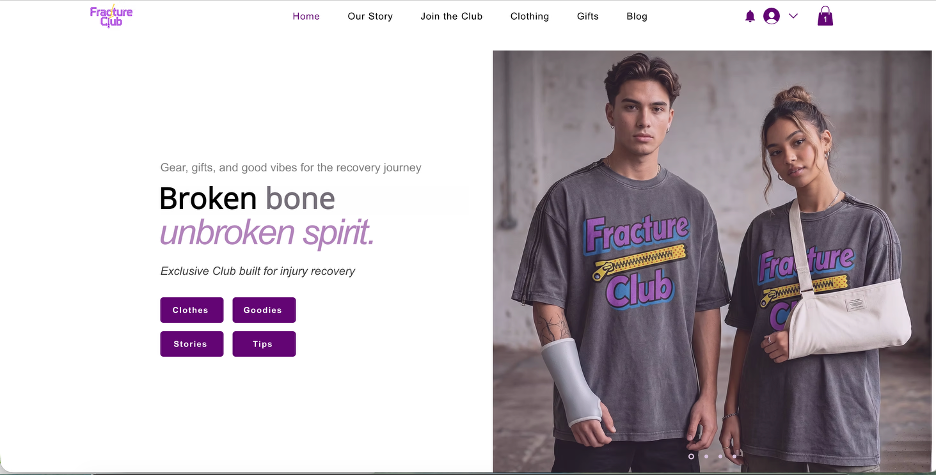
You’ve read the checklist. You know what features matter. Fracture-club’s adaptive recovery clothing is built around those exact features, for people in exactly your situation.
[
](fracture-club.com)
The Unisex Easy-On/Off Adaptive Recovery Pants with Side Magnetic Zippers are the most direct answer to the dressing challenges this article describes. Full-length magnetic side zips mean you can dress over a cast or brace without bending, pulling, or asking for help every time. For upper-limb injuries, the Easy-On/Off Sweatshirt solves the same problem for your top half.
Both pieces are available directly through Fracture-club’s online store. If you have questions about sizing or which piece fits your specific injury, the inquiry page is the fastest way to get a direct answer. View the full product details and place your order at fracture-club.com.
Sources and further reading
Patient Clothing as a Healing Environment: A Qualitative Interview Study — PubMed Central
New Patient Program Provides Clothing Upon Discharge — Cleveland Clinic
Back to Basics: Behavioral Health Clothing Program — Cleveland Clinic Magazine
Dress for Discharge — Iredell Health System
Recommended
Comments