
What Is Bone Health Advocacy and Why It Matters
- T. Armstrong

- Jul 9
- 8 min read

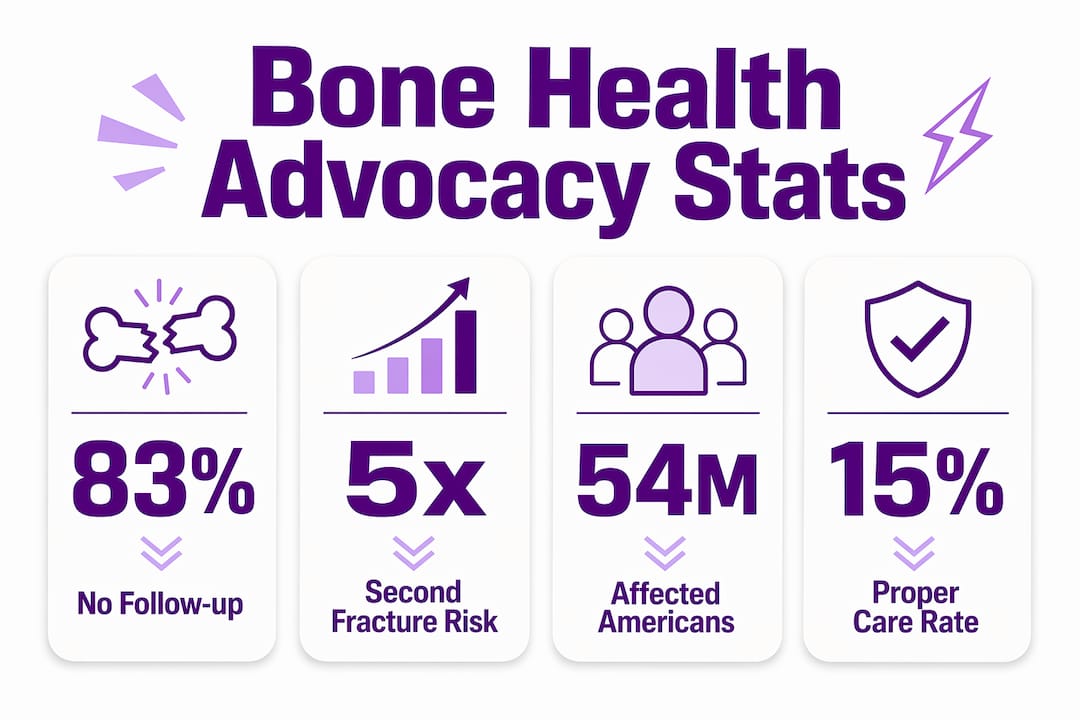
Bone health advocacy is the organized effort to raise awareness, drive policy change, fund research, and empower individuals to prevent osteoporosis and fractures. The condition affects 54 million Americans and costs the healthcare system $57 billion annually, with costs projected to reach $95 billion by 2030. That scale makes bone health advocacy one of the most urgent and underfunded public health movements in the United States. Organizations like the Bone Health & Osteoporosis Foundation (BHOF) lead this charge through education campaigns, legislative efforts, and community programs designed to close the gap between what patients need and what they actually receive.
What is bone health advocacy and what does it aim to achieve?
Bone health advocacy is the coordinated push to make bone disease visible, treatable, and preventable at every level of society. It operates across three interconnected areas: public education, clinical practice improvement, and policy reform. Each area reinforces the others, and progress in one tends to accelerate progress in the rest.
The core goals of bone health advocacy include:
Raising public awareness about osteoporosis as a serious, preventable disease rather than a normal part of aging
Educating healthcare providers on current screening guidelines, fracture risk assessment tools like FRAX, and post-fracture care protocols
Closing the fracture care gap, where fewer than 15% of women receive adequate follow-up after a fragility fracture
Increasing research funding to develop better treatments, diagnostics, and prevention strategies
Promoting early screening through DEXA scans and clinical tools to catch bone loss before a fracture occurs
Supporting legislative action, including resolutions like Senate Resolution 744, which reflects growing political support for bone health education and policy reform
Bone health awareness campaigns target both the public and medical professionals because the problem exists on both sides. Patients often do not know to ask for screening. Providers sometimes do not prioritize bone density testing after a fracture. Advocacy addresses both gaps simultaneously.
Pro Tip: If you are involved in any health advocacy work, bone health is one of the few areas where a single conversation with a primary care provider can directly prevent a life-altering fracture. Use that fact when making the case for awareness programs.

How does bone health advocacy address the fracture care gap?
The fracture care gap is the most concrete failure in bone health today. 83% of women who suffer a fragility fracture receive no follow-up diagnosis or medication. That is not a minor oversight. It means the majority of people who have already proven their bones are fragile walk away without a plan to protect them.
The consequences are severe. Without intervention, the risk of a second fracture rises five times higher within one year of the first. Each subsequent fracture compounds the physical, emotional, and financial toll on the patient and the healthcare system.
Problem | Scale | Advocacy Response |
No follow-up after fragility fracture | 83% of women affected | Push for Fracture Liaison Services in hospitals |
Undiagnosed vertebral fractures | 70% go undetected | Promote routine spinal imaging and symptom education |
Second fracture risk | 5x higher within one year | Advocate for mandatory post-fracture bone density testing |
Osteoporosis underdiagnosis | Millions unaware they have it | Support DEXA scan access and insurance coverage |
Vertebral fractures are a particular blind spot. Spine fractures often produce only mild symptoms like gradual height loss or dull back pain. Patients and providers alike dismiss these signs. Advocacy efforts push for better symptom education so that subtle warning signs trigger appropriate bone health screening rather than watchful waiting.
Pro Tip: If you or someone you care for has had any fracture after age 50, ask the treating physician directly: “Should I have a bone density test?” Do not wait for the provider to bring it up. Advocacy starts with that one question.
What lifestyle and clinical interventions does bone health advocacy promote?
Bone health advocacy promotes a clear message: your daily habits matter more than most people realize. Genetics accounts for roughly 80% of peak bone mass, which is largely set before age 25. After that, lifestyle influences bone health by up to 50%. That shift in control is significant. It means the choices you make every day have real power over your fracture risk.
Advocates promote the following evidence-based interventions:
Calcium intake: Adults over 50 need 1,300mg of calcium daily. Most Americans fall short of this target through diet alone, making supplementation or calcium-rich food choices a regular topic in bone health education programs.
Protein consumption: Protein supports the muscle mass that protects bones during falls. Advocacy messaging increasingly includes protein alongside calcium because muscle and bone health are inseparable after middle age.
Weight-bearing exercise: Walking, resistance training, and balance work all stimulate bone remodeling. Advocates recommend at least 30 minutes of weight-bearing activity most days of the week.
Smoking cessation: Smoking accelerates bone loss directly. Bone health programs consistently list quitting smoking as one of the highest-impact steps a person can take.
Alcohol moderation: Heavy alcohol use disrupts calcium absorption and impairs bone formation. Advocacy materials recommend no more than one drink per day for women and two for men.
FRAX assessment: The Fracture Risk Assessment Tool (FRAX) calculates a 10-year fracture probability using clinical risk factors. Advocates push for wider use of FRAX in primary care settings to identify high-risk patients before a fracture occurs.
DEXA scans: Dual-energy X-ray absorptiometry (DEXA) measures bone mineral density and remains the gold standard for diagnosing osteoporosis. Advocacy efforts focus on expanding insurance coverage and provider awareness of screening guidelines.
Menopause deserves specific attention here. The hormonal shift accelerates bone loss in women, often dramatically. Bone health advocates push for routine screening conversations at menopause, not just after a fracture. Building those daily habits after 50 is one of the most direct ways to act on what advocacy teaches.
How can individuals and communities get involved in bone health advocacy?
Anyone can advocate for bone health. You do not need a medical degree or a policy background. The most effective advocacy often starts at the personal level and grows outward from there.
Here are practical ways to get involved:
Talk to your doctor. Request a FRAX assessment or DEXA scan if you are over 50 or have risk factors. Self-advocacy in the exam room is the most direct form of bone health advocacy there is.
Share your story. Community engagement breaks stigma and encourages others to seek screenings and treatment. Personal stories move people in ways that statistics cannot.
Support awareness campaigns. Organizations like the Bone Health & Osteoporosis Foundation run annual programs, including may’s Osteoporosis Awareness and Prevention Month. Participating in or sharing these campaigns extends their reach.
Fundraise or donate. Research funding directly drives better treatments. Supporting organizations that fund bone health research is a concrete contribution to the cause.
Contact your legislators. Bone health programs depend partly on public funding and policy. Writing to your congressional representatives about osteoporosis research funding or insurance coverage for DEXA scans puts real pressure on decision-makers.
Explore bone health awareness resources. Gifts and educational materials that highlight bone health, like those featured in a bone health awareness guide, help spread the message in everyday social circles.
Pro Tip: May is Osteoporosis Awareness and Prevention Month. Plan your most visible advocacy actions for that window. Media attention, community events, and legislative outreach all carry more weight when they align with national awareness timing.
Key Takeaways
Bone health advocacy is the most direct path to reducing the 54 million-person burden of osteoporosis in America, and it works best when individuals, clinicians, and policymakers act together.
Point | Details |
Advocacy fills a real gap | Less than 15% of fracture patients receive proper follow-up care without advocacy pressure. |
Second fractures are preventable | Risk rises five times within one year without intervention after a first fracture. |
Lifestyle drives half the outcome | After peak bone mass, daily habits influence bone health by up to 50%. |
Self-advocacy starts in the exam room | Asking for a DEXA scan or FRAX assessment is the single most direct action you can take. |
Community sharing accelerates change | Personal stories break stigma and motivate others to seek screening and treatment. |
Why I believe bone health advocacy is more urgent than most people realize
Osteoporosis is called a “silent disease” for a reason. It does not hurt until something breaks. That silence is exactly why advocacy is so hard and so necessary. People do not rally around a condition they cannot feel.
What I have seen, working alongside recovery communities, is that the fracture itself is often the first moment a person learns their bones were already compromised. By then, the damage is done. The advocacy work that matters most happens before that fracture, not after. It happens in the doctor’s office when someone asks for a bone density test. It happens in a community center when a neighbor shares their recovery story. It happens in a congressional office when a constituent writes about insurance coverage for screening.
The science is not the obstacle. We know what works: calcium, protein, exercise, screening, and follow-up care. The obstacle is awareness and access. Advocacy closes that gap. Every person who learns about FRAX, requests a DEXA scan, or shares their fracture story is doing the work. The movement does not need more experts. It needs more voices.
— Fracture
Fracture-club and the bone health advocacy community
Fracture-club was built around a simple belief: recovering from a bone fracture should not mean losing your dignity, comfort, or sense of self.
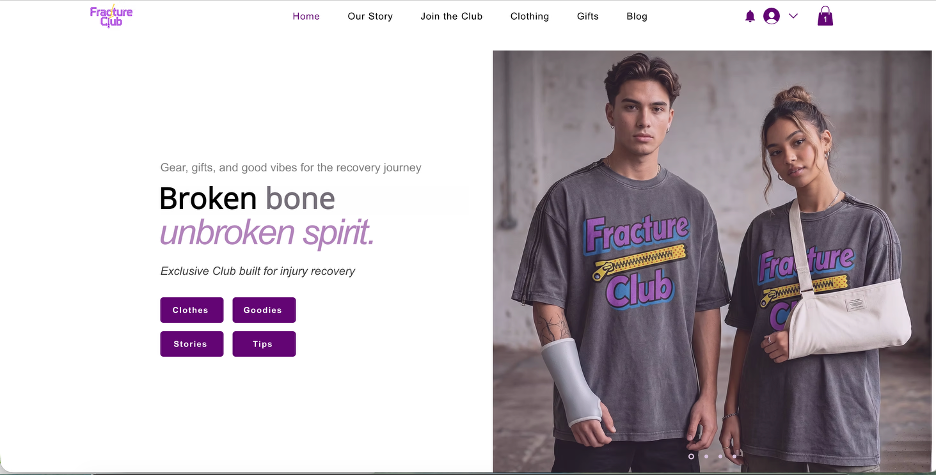
A portion of every Fracture-club purchase goes directly to the Bone Health & Osteoporosis Foundation, connecting your recovery to the broader advocacy mission. The adaptive recovery pants with magnetic side zippers make dressing possible with a cast or brace, so healing does not have to mean struggling with every outfit. Fracture-club also offers an easy-on sweatshirt designed for upper limb fracture recovery, giving you warmth and ease when your arm or shoulder is immobilized. Recovery wear that actually fits your situation is part of what makes the healing process feel human again. Visit Fracture-club to see the full collection and learn how the community supports bone health at every stage.
FAQ
What is bone health advocacy in simple terms?
Bone health advocacy is the organized effort to raise awareness, improve care, and drive policy changes that reduce osteoporosis and fracture risk. It includes public education, clinical practice reform, and legislative action.
Who leads bone health advocacy in the United States?
The Bone Health & Osteoporosis Foundation is the primary national organization leading bone health advocacy in the U.S., running awareness campaigns, supporting research, and engaging with legislators on policy reform.
Why is the fracture care gap such a major focus of advocacy?
83% of women who suffer a fragility fracture receive no follow-up care, and without intervention, their risk of a second fracture rises five times within one year. Closing that gap is one of the most direct ways advocacy saves lives.
How does lifestyle affect bone health as you age?
After peak bone mass is established before age 25, lifestyle factors influence bone health by up to 50%. Diet, exercise, smoking, and alcohol use all have measurable effects on bone density and fracture risk.
How can I start advocating for bone health today?
Ask your doctor for a FRAX assessment or DEXA scan if you are over 50, share your personal experience with others, and contact your legislators about osteoporosis research funding and screening coverage.
Recommended
Comments