
Style Tips for Wearing a Recovery Cast With Confidence

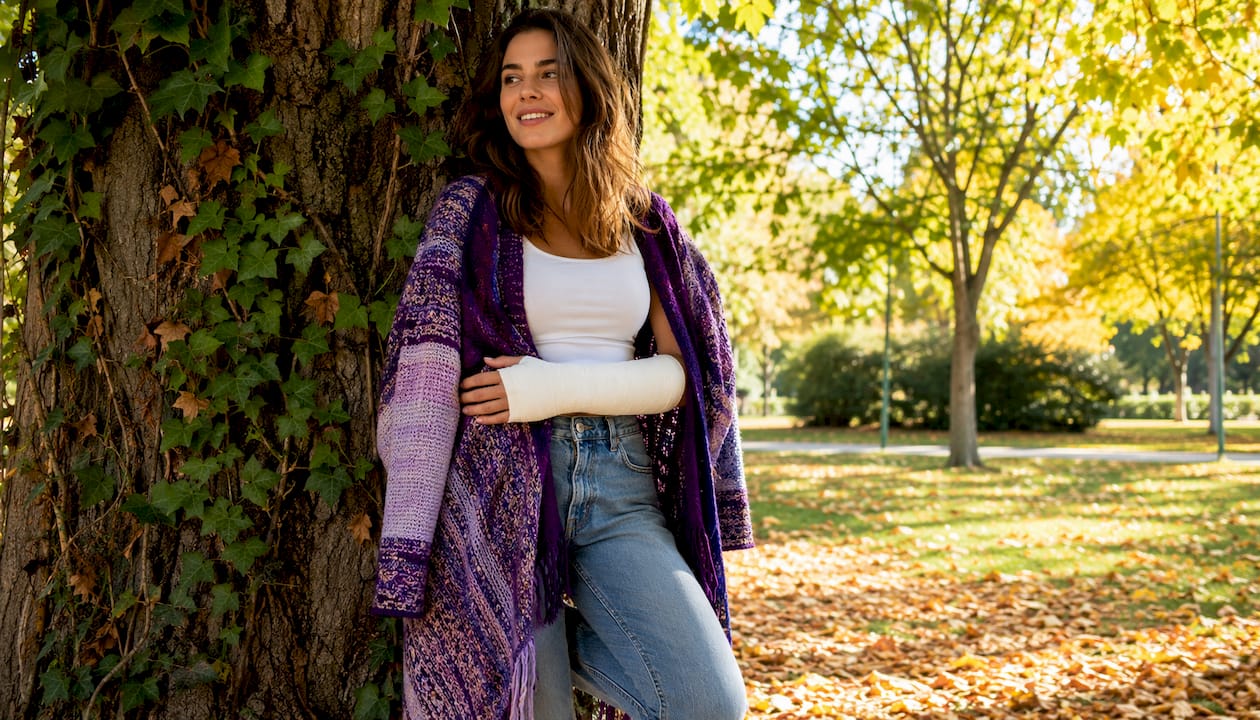
Wearing a recovery cast doesn’t mean putting your personal style on hold. The right clothing choices make a real difference, and you can look and feel like yourself throughout the healing process. Here’s what actually works:
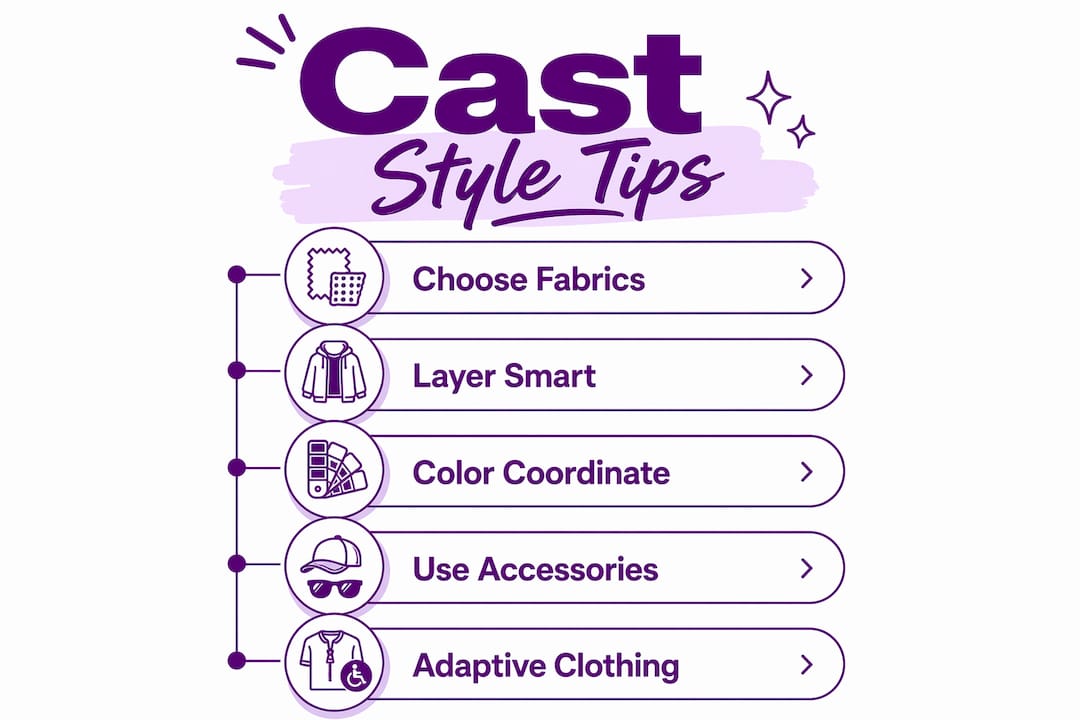
Choose adjustable, loose-fitting clothing. Elastic waistbands, drawstring pants, and pull-on skirts accommodate both the cast and any swelling that fluctuates day to day.
Crop or cuff your hems. Cuffed or cropped hems above the ankle prevent pants from catching on crutches or cast edges, which is one of the most common tripping hazards during recovery.
Layer with intention. A blazer over soft joggers, or a cardigan over a fitted tee, lets you look put-together without fighting with your cast to get dressed.
Accessorize to redirect attention. Bright scarves, bold earrings, or a statement bracelet can shift the eye away from the cast and toward your personal style.
Pick footwear you can actually manage. Slip-ons, Velcro sandals, and adjustable sneakers are your best friends right now. Avoid laces and heels entirely.
Dress the injured limb first. Whether it’s an arm or leg cast, always put clothing on the cast side first and remove it last. This protects the cast and reduces strain.
Pro Tip: Use fashion tape or safety pins inside hems to temporarily shorten pants without cutting them. It’s a non-permanent fix that keeps fabric safely away from crutch tips and cast edges.
Recovery is temporary. Your style doesn’t have to suffer while you heal.
Table of Contents
How to build outfits with a leg or arm cast for any occasion
Getting dressed with a cast feels harder than it should, especially when you’re trying to look like yourself at work, at a social event, or even just running errands. The good news is that a few smart outfit strategies cover almost every situation.
For professional settings, structured layering is your most reliable tool. A tailored blazer over ponte knit joggers or soft wide-leg trousers reads as polished without requiring you to wrestle with a zipper fly or a fitted waistband. If you regularly wear suits, a tailor can open seams on one trouser leg to accommodate a leg cast and resew them afterward, preserving the garment entirely.

For casual days, adaptive denim with a relaxed fit or pull-on joggers work well. Pair them with an oversized shirt or a soft knit top, and you have an easy, comfortable look that doesn’t scream “recovery mode.” Leggings are another strong option for leg casts since the stretchy fabric slides over the cast without bunching.
Seasonal adjustments matter more than you might expect:
Summer: Loose linen or cotton shorts (cut on one side if needed), flowy maxi skirts, and breathable sleeveless tops keep you cool without overheating around the cast.
Winter: Layer a soft cardigan or oversized knit over your base layer. Wide-leg sweatpants or fleece-lined joggers provide warmth without pressure on the cast.
Spring/Fall: A lightweight zip-up hoodie or open-front cardigan gives you flexibility as temperatures shift throughout the day.
Coordinating with your cast color is easier than it sounds. If your cast is a neutral gray or white, almost any color palette works. A brightly colored cast, though, is actually an opportunity. Wearing bright or patterned accessories that echo your cast color, like a scarf or bracelet in the same hue, ties the whole look together intentionally rather than accidentally.
For arm casts and slings, dolman-sleeve tops and wrap cardigans are particularly practical. The wide, open sleeve slides over a cast without resistance, and the relaxed silhouette looks intentional rather than improvised.
Which fabrics actually feel comfortable against a cast?
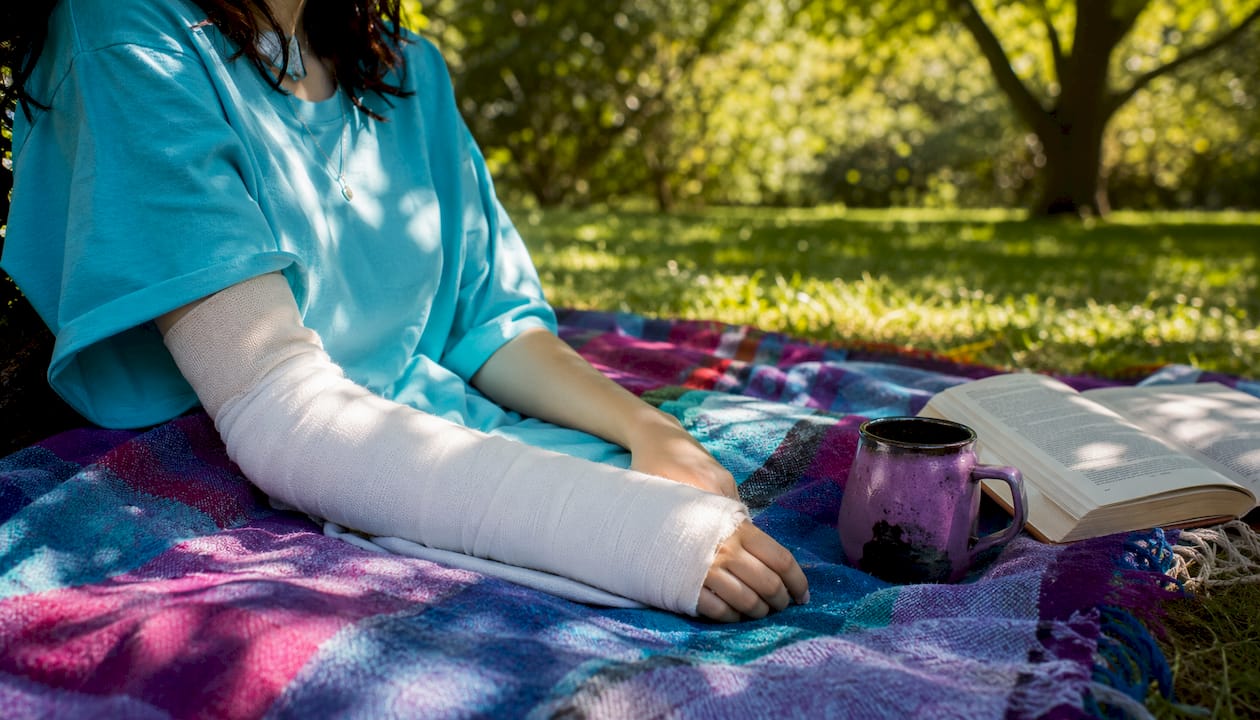
Fabric choice is where a lot of people go wrong during recovery. The wrong material can cause skin irritation, trap moisture, and make an already uncomfortable situation genuinely miserable. Getting this right is straightforward once you know what to look for.
Reach for these:
Cotton blends: Soft, breathable, and gentle on skin. A cotton-modal blend adds a slight stretch that makes dressing easier.
Performance knits: Moisture-wicking fabrics pull sweat away from the skin, which matters especially around cast edges where friction and dampness accumulate.
Bamboo fabric: Naturally antibacterial and exceptionally soft, bamboo is worth seeking out if your skin is particularly sensitive during recovery.
Multidirectional stretch fabrics: Clothing with multidirectional tensile materials offers better movement and comfort while wearing casts, preventing irritation and improving how consistently you wear your recovery garments.
Avoid these:
Heavy synthetic fabrics like thick polyester or nylon blends that trap heat and moisture.
Rough textures, including stiff denim or canvas, that rub against cast edges.
Fabric softeners applied directly to clothing worn against a cast. Breathable, moisture-wicking fabrics prevent irritation better than heavy or synthetic materials, and fabric softeners can cause contact dermatitis if they come into direct contact with skin near the cast.
One practical addition worth considering: a thin cotton compression sleeve worn between the cast and your skin. It reduces friction, absorbs moisture, and adds a small but meaningful layer of comfort throughout the day. Ask your orthopedic provider before adding anything inside or directly against the cast, but a sleeve worn on the limb above the cast edge is generally safe and helpful.
The right fabric won’t make recovery painless, but it removes one source of daily discomfort that you genuinely don’t need.
The real dos and don’ts of dressing with a cast
Some of these feel obvious once you hear them. Others are the kind of thing you only learn after a frustrating morning struggling to get dressed. Either way, these guidelines come from patient experience and clinical advice, and they’re worth keeping close.
Do:
Choose garments with adjustable features: elastic waistbands, drawstrings, magnetic closures, or side snaps that open fully.
Cuff or crop pants so hems sit above the ankle, keeping fabric clear of crutch tips and cast edges.
Select supportive, hands-free footwear on the uninjured foot. Slip-ons, Velcro sneakers, and adjustable sandals are all solid choices.
Use layers to complement the cast rather than hide it. A well-chosen cardigan or blazer frames the look without making the cast the focal point.
Accessorize with items that reflect your personality. Maintaining small style rituals, like wearing your favorite earrings or a go-to watch, helps you feel like yourself rather than just a patient.
Keep clothing clean and wash it regularly. Fabric worn close to a cast picks up odor and bacteria faster than usual.
Don’t:
Wear tight or restrictive clothing that presses against the cast. Pressure on the cast can cause skin breakdown and discomfort underneath.
Choose long, dragging hems. Fabric that trails on the floor is a genuine fall risk, especially on crutches.
Attempt complicated laces, back-zip dresses, or button-front shirts if you have an arm cast. These take twice as long and often require help you may not have.
Try to forcibly conceal the cast with overly bulky layers. Thick, heavy garments add weight and heat without actually hiding anything effectively.
Neglect hygiene around the cast. Keep the exterior of the cast clean and dry, and watch for any odor, cracking, or skin changes that might signal a problem requiring medical attention.
Ignore warning signs. Pain, numbness, tingling, or discoloration under the cast are signals to contact your provider, not to adjust your outfit.
The goal is clothing that works with your cast, not against it. Once you find a few combinations that feel right, getting dressed stops being a daily ordeal.
Adaptive clothing and community support make recovery easier
Recovery can feel isolating, especially when something as basic as getting dressed becomes a challenge. That’s where both adaptive clothing and community support genuinely change the experience.
Adaptive clothing brands design garments specifically for people healing from injuries, with features that standard athletic wear simply doesn’t offer: magnetic zipper closures, full side-opening seams, and easy-on/off sweatshirts built for arm or upper limb injuries. These aren’t workarounds. They’re purpose-built solutions that make daily dressing faster, less painful, and more dignified.
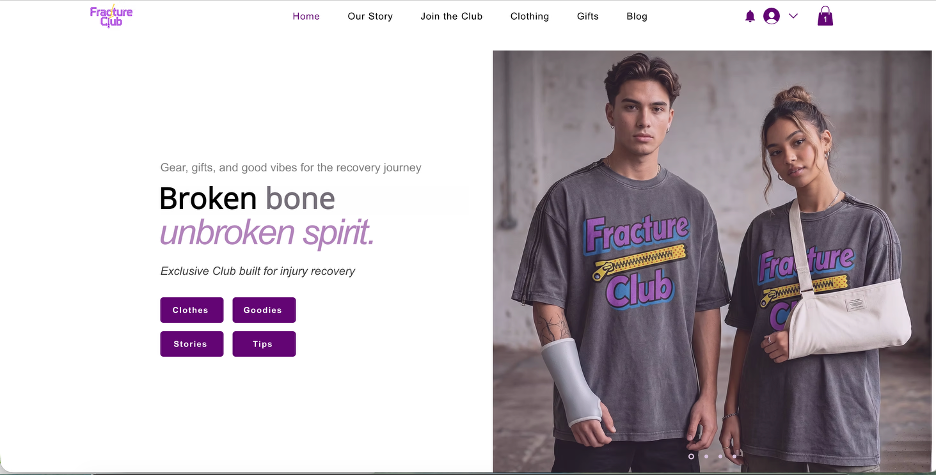
Fracture-club is one of the brands doing this well. Their recovery wear is designed around the real challenges cast wearers face, combining functional features with a style that doesn’t feel clinical or institutional. The community aspect matters too. Fracture-club connects members through shared stories and experiences, which provides something that no garment alone can: the reassurance that other people have been through this and come out the other side.
Patients wearing orthotic devices often find that compliance improves significantly when they receive fashion advice and adaptive styling help from specialists. In other words, when dressing feels manageable and you feel good in what you’re wearing, you’re more likely to wear your recovery device consistently, which directly supports healing.
What the adaptive clothing approach offers:
Garments that open fully at the seam, eliminating the need to pull fabric over a cast
Magnetic closures that work with one hand or limited grip strength
Fabrics selected for breathability and skin comfort during extended wear
Styles that look intentional rather than makeshift
Pro Tip: Before purchasing adaptive clothing, share your specific cast type and location with your healthcare provider. They can advise on features that will genuinely help, such as full-length side zippers for a leg cast versus easy-on/off shoulder openings for an arm cast. A patient guide to cast recovery needs can also help you identify what to look for before you shop.
You don’t have to figure all of this out alone. The combination of the right clothing and a supportive community makes a measurable difference in how recovery actually feels day to day.
Fracture-club makes recovery wear that actually works for you
Recovery wear built specifically for cast wearers is a different category from generic loungewear or athletic gear, and Fracture-club is where that difference shows up most clearly.
[
](fracture-club.com)
Fracture-club’s adaptive recovery pants feature side magnetic zippers that open fully, letting you dress and undress without contorting around a leg cast. Their easy-on/off sweatshirt is designed for arm and upper limb injuries, with an opening system that works even when your range of motion is limited. These aren’t small conveniences. When you’re managing crutches, pain, and a cast every morning, clothing that cooperates changes the entire tone of your day.
Beyond the garments themselves, Fracture-club gives a portion of proceeds to the Bone Health & Osteoporosis Foundation, so your purchase supports a broader mission. The brand also builds community through shared recovery stories, which matters when healing feels like a lonely process.
If the styling tips in this article resonated with you, the next practical step is straightforward: browse Fracture-club’s recovery wear collection and find the pieces that fit your specific injury and your personal style. You deserve to feel like yourself, cast and all.
Key Takeaways
Dressing with a recovery cast is manageable when you prioritize adjustable clothing, breathable fabrics, and purpose-built adaptive wear from the start.
Point | Details |
Hem length is a safety issue | Cuffed or cropped hems above the ankle prevent pants from catching on crutches or cast edges. |
Fabric choice reduces irritation | Breathable, moisture-wicking fabrics like cotton blends and performance knits prevent skin irritation better than heavy synthetics. |
Layering works for every occasion | Pairing a blazer with soft joggers or a cardigan with leggings balances style and comfort across casual and professional settings. |
Accessories restore personal style | Bright scarves, bold jewelry, or accessories that echo your cast color redirect attention and reinforce your identity during recovery. |
Fracture-club offers purpose-built solutions | Adaptive recovery pants with magnetic side zippers and easy-on/off sweatshirts are designed specifically for cast wearers who want comfort and style. |
Recommended
Comments