
How Breathable Fabric Supports Healing and Recovery

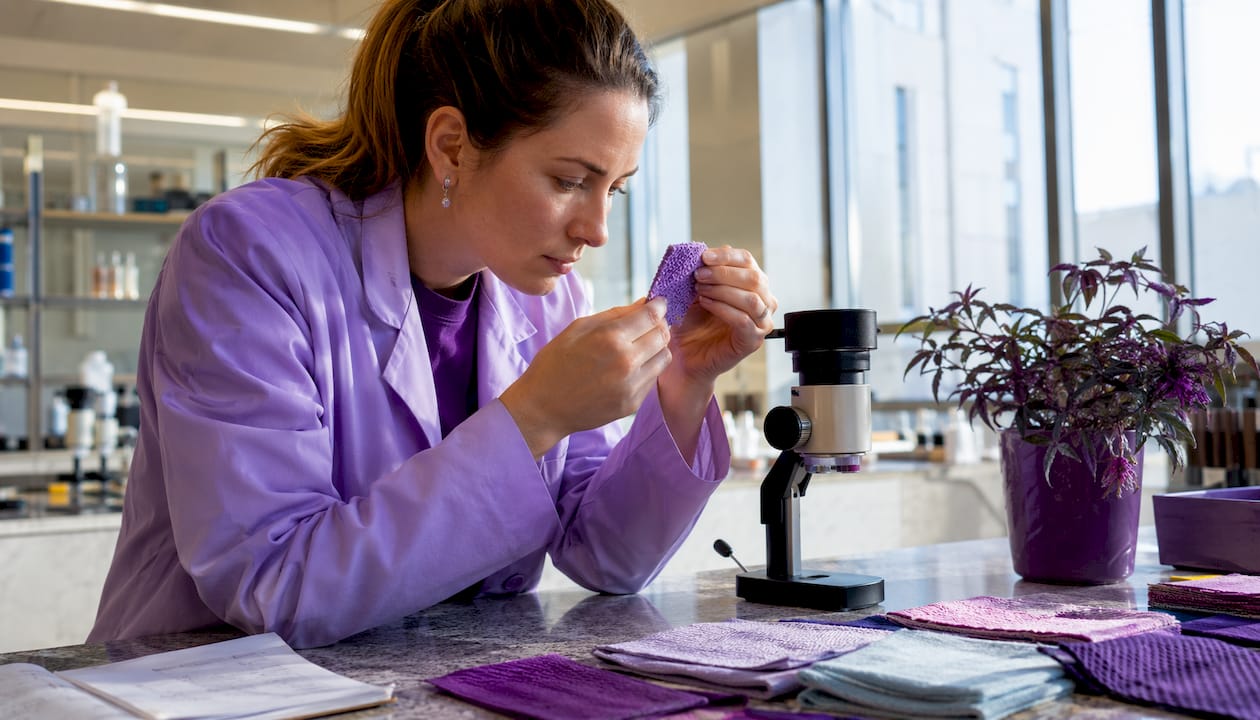
How breathable fabrics create the right environment for healing
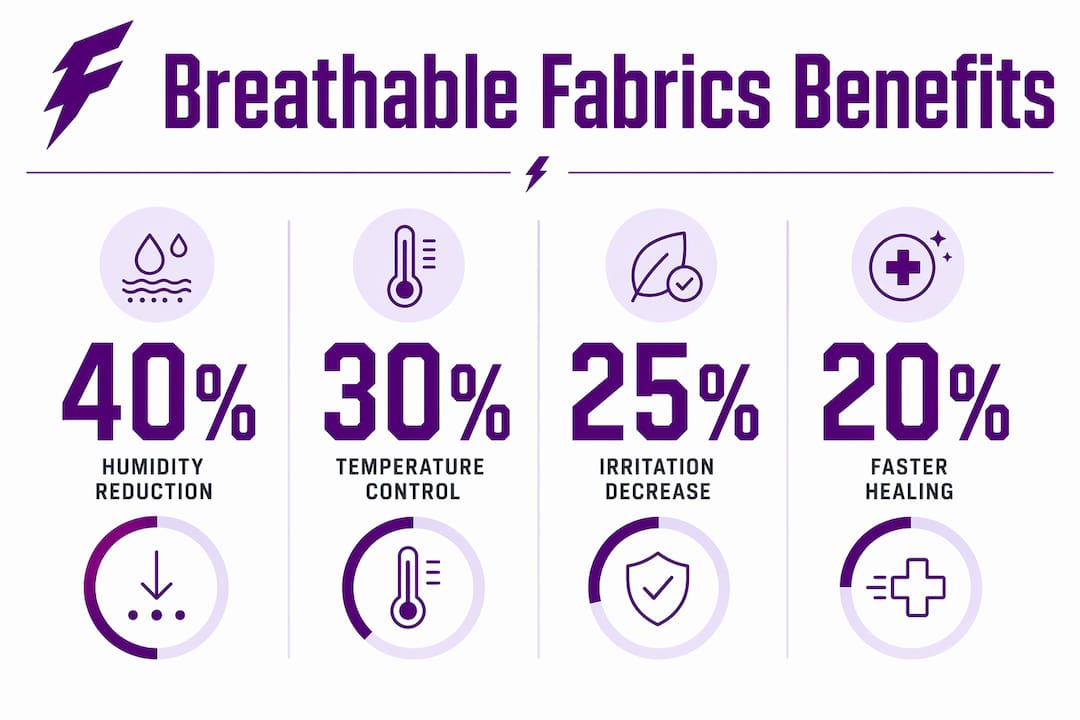
Breathable fabric does one critical thing for your recovery: it lets air and moisture vapor pass through, keeping the skin around your injury dry, cool, and comfortable — much like specially designed hospital socks that explore slip-resistant safety to support healing environments. That might sound simple, but the effect on healing is real. When moisture builds up against your skin, it softens tissue, raises infection risk, and causes the kind of irritation that slows everything down.
Here is what breathable fabric actually does at the injury site:
Regulates moisture: Allows sweat and water vapor to escape, preventing skin maceration and bacterial growth
Controls temperature: Supports natural thermoregulation by enabling sweat evaporation at the skin surface
Reduces irritation: Keeps skin drier, lowering the risk of rashes, chafing, and inflammation
Supports wound hygiene: Maintains airflow that discourages the warm, damp conditions where bacteria thrive
Improves comfort: Lighter, less clammy clothing means you can focus on rest and recovery, not discomfort
Natural fibers like cotton have long been preferred in medical textiles because their structure allows air circulation while staying soft against sensitive skin. Synthetic fabrics engineered with open-knit constructions or moisture-wicking finishes can match or exceed that performance, especially in form-fitting recovery garments.
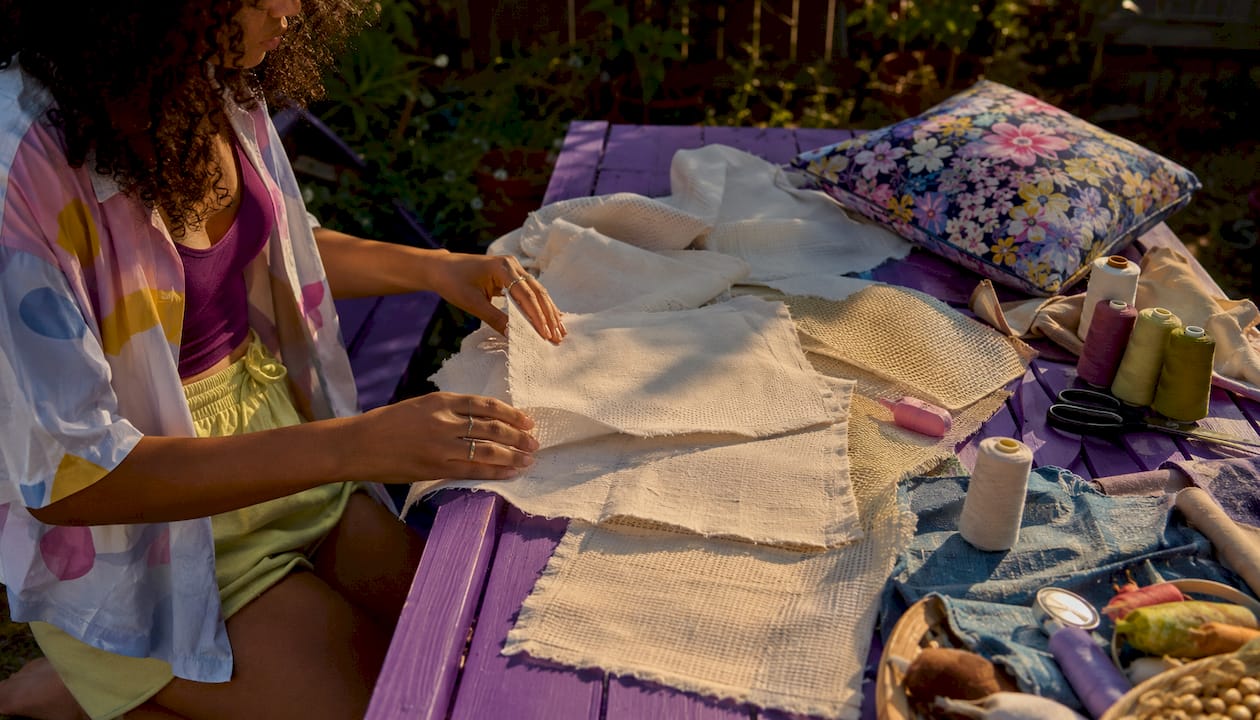
What recent research says about breathable medical textiles
The science behind breathable fabric and wound care has advanced recently, with findings worth knowing.
Advanced spacer fabric dressings now maintain a vertical airflow rate of 234.71 mm/s even when saturated with wound fluid. The same dressings absorb up to 376.47% of their own weight in exudate while still protecting the wound from external pressure. That combination of absorption and sustained airflow offers advantages over traditional gauze.
Key finding: Bio-inspired, skin-like textile dressings achieve breathability 1,800 times greater than standard commercial dressings, with stretchability exceeding 535%, allowing them to move with the body during recovery.
On the thermoregulation side, a 2025 study found that enhanced breathable T-shirts reduced intra-clothing humidity by 4.3% during outdoor exercise. Local skin temperature dropped by roughly 0.3°C. Core body temperature and overall sweat rate were unchanged, which tells you something useful: breathability’s strongest benefit during recovery is local skin comfort, not systemic cooling.
Fabric type | Key breathability feature | Healing benefit |
Advanced spacer fabric | High airflow when wet | Sustained exudate management |
Bio-inspired hydrogel textile | Much higher breathability than standard dressings | Skin-like conformity, antibacterial |
Cotton medical textile | Natural air circulation | Reduces maceration, heat rash |
Moisture-wicking synthetic | Liquid transport + vapor escape | Prevents clamminess during activity |
Recent innovations worth knowing about:
Three-layer spacer fabric dressings combining exudate management, coagulation, and antibacterial properties in one structure
Glyhydrogel textile dressings that remain functional at extreme temperatures
Antimicrobial silk-based garments, like DermaSilk, that maintain breathability while controlling bacterial and fungal growth
Moisture-activated polymer technologies that cool fabric surface temperature during wear
How to choose breathable recovery clothing that actually works
Breathability alone is not enough. A fabric that lets vapor escape but cannot move liquid sweat away from your skin will still leave you feeling clammy after any activity. Breathability and moisture-wicking work together: one handles vapor, the other handles liquid. You need both.
When selecting recovery clothing, look for these qualities:
Open fabric construction: Looser knits and lighter weaves allow more airflow through the garment
Moisture-wicking fiber or finish: Pulls liquid sweat to the outer surface where it can evaporate
Soft, non-irritating texture: Especially important near cast edges, brace straps, or surgical sites
Adaptive design: Garments that open wide for easy dressing protect healing tissue from unnecessary friction
Fit that contacts skin: For moisture-wicking to work, the fabric needs to be close enough to pull sweat away
Pro Tip: Hold the fabric up to a light source. More light passing through the weave generally means greater airflow potential through the fabric. It is a quick, practical check before you buy.
A note on limitations: breathable fabrics are not appropriate for all wound care situations. Open wounds, surgical sites, or heavily draining injuries require clinical dressings, not clothing. Recovery wear works best as the outer layer, supporting comfort and microclimate regulation around a properly dressed wound. Washing performance fabrics regularly also matters. Sweat and bacteria can clog fibers over time, reducing both breathability and any antimicrobial properties the garment was designed to provide. Check care labels and wash after each use during active recovery.
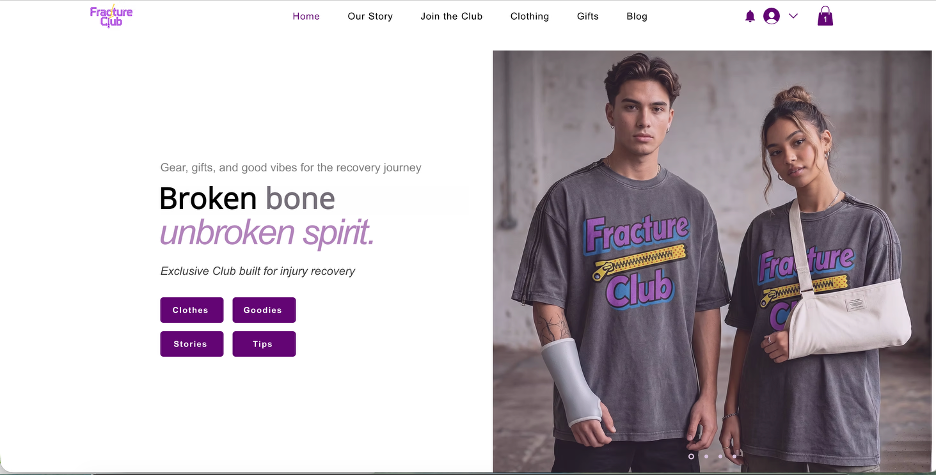
Fracture-club’s adaptive recovery wear is built for this
Recovery is hard enough without fighting with your clothes every morning. Fracture-club designs adaptive recovery wear specifically for people healing from fractures, sprains, and post-surgical injuries, combining breathable fabrics with thoughtful features that make dressing easier when mobility is limited.
[
](fracture-club.com)
The Easy-On/Off Sweatshirt and adaptive recovery pants are built with moisture-managing fabrics and wide openings that accommodate casts and braces without pulling on healing tissue. Fracture-club also contributes a portion of proceeds to the Bone Health & Osteoporosis Foundation, so your purchase supports the broader recovery community. If you want to learn more or ask about options, the inquiry page is the place to start.
Key Takeaways
Breathable fabrics support healing by regulating moisture and temperature at the skin surface, reducing irritation, maceration, and infection risk throughout recovery.
Point | Details |
Moisture regulation is the core benefit | Breathable fabrics let vapor escape, preventing the skin breakdown that slows wound healing. |
Advanced dressings set a high bar | Spacer fabric dressings absorb up to 376.47% of their weight while maintaining 234.71 mm/s airflow when wet. |
Breathability needs wicking as a partner | Vapor escape and liquid moisture transport work together; neither alone prevents clamminess. |
Local comfort beats systemic claims | Research shows breathable fabrics improve skin-level comfort reliably; systemic thermoregulatory effects are limited. |
Fracture-club applies this directly | Adaptive recovery wear from Fracture-club pairs breathable, moisture-managing fabrics with easy-dressing design for injury recovery. |
Recommended
Comments