
Hide a Scoliosis Brace Under Clothes: Cotton or Wicking?


The most reliable way to hide a brace under clothes is a close-fitting base layer in cotton-elastane or moisture-wicking fabric, topped with a stabilizing mid-layer and a relaxed outer piece, or an adaptive piece designed for exactly this kind of dressing. Concealment always trades off a little against breathability, but the right fabric and fit erase most visible lines. Skip greasy lotions right before dressing, since they can interfere with the brace’s fit against your skin.
TL;DR:
Cotton with elastane performed well across temperatures and costs less, while moisture wicking synthetics hold less sweat against skin but cost more and are harder to find.
Choose a snug, not tight, seamless or flat knit base layer, with seams away from brace edges and enough length to stay tucked during movement.
Avoid greasy lotions, ointments, and powders before putting the brace back on; let any skin product dry fully to reduce abrasion risk.
For limited mobility, choose magnetic or side closures instead of buttons and stiff waistbands, which can strain dressing or catch against a low brace.
Table of Contents
Layering basics and rules for concealment
A brace disappears under clothing when you think in three layers instead of one outfit. The base layer sits against your skin and smooths the brace’s edges. The mid-layer adds structure so nothing shifts or bunches. The outer layer is where your actual style lives, loose enough to skim over everything underneath without clinging to the brace’s shape.
Getting the fit right matters more than any single garment choice:
Choose a base layer one size snug, not tight, so it compresses without digging in.
Avoid thick side seams that sit directly under the brace’s edges.
Pick tops with enough length to stay tucked through normal movement.
Favor pull-on or magnetic closures over buttons when your mobility is limited.
Keep mid-layers thin and structured rather than bulky and loose.
Save fitted knits for your outer layer only if the brace underneath is low-profile.
For dressing order, start with the base layer, settle the brace, then add the mid-layer and outer piece last. Putting the outer layer on first almost always means redoing everything once the brace shifts it out of place. If limited mobility makes overhead dressing hard, our guide on clothing for limited mobility walks through faster sequences.
Best fabrics and undergarments to wear under a brace
Fabric choice changes how a brace feels by midafternoon. A controlled comparison of six T-shirt fabrics found that cotton with elastane held up well across temperatures while staying the most affordable and widely available option, and that moisture-wicking synthetic fabrics pulled ahead on sweat control but cost more and can be harder to find, according to the undergarment comfort study. Moisture absorption varied clearly between the two: wicking fabric held the least moisture against skin, which matters most for anyone bracing through warm months or active days.
Moisture-wicking fabric absorbed the least sweat of the materials tested in the comfort study, which is why it’s worth the extra cost if chafing or overheating has been a problem for you, per the same research.
Beyond fiber content, construction decides whether a shirt feels invisible or irritating:
Seamless or flat-knit construction avoids the pressure ridges that regular seams create under brace edges.
Seam placement should run away from the brace’s trim line, not across it.
A fabric blend with some stretch moves with you instead of pulling tight when you reach or twist.
Sizing is its own small science. Snug enough means the fabric lies flat with no visible wrinkling at the brace’s edges, but not so tight that it rides up every time you shift. When in doubt, size up slightly in length rather than width, since a shirt that rides up exposes more of the brace than one that’s simply a touch roomy. For more on choosing fabric by feel and breathability, this primer on breathable fabric weaves covers label cues worth knowing before you shop.
Outfit formulas that hide a brace day to day
A few repeatable formulas cover most of life. For casual days, pair a snug cotton-elastane tank with a loose button-down left open over it, finished with pants that won’t catch on the brace’s lower edge. For work or school, a fitted base layer under a structured blazer or cardigan reads as polished rather than bulky, especially with wide-leg or A-line bottoms. For activity, moisture-wicking base layers under a zip-up jacket let you move without the brace shifting against sweaty skin.
Swap by season rather than starting over each time:
In warm weather, lean on moisture-wicking base layers and lightweight, unlined outer pieces.
In cool weather, add a thin cotton-elastane layer under sweaters for extra smoothing without overheating.
For dresses, choose a flowy A-line or wrap style that skims past the brace instead of clinging at the waist.
For fitted tanks, size up one and layer a light cardigan over the top to break up the silhouette.
For button-downs, leave the top two buttons open to avoid strain across the brace’s upper edge.
Our outfit roundup on layering with a brace walks through seven full looks if you want more direct inspiration. A quick at-home fabric check, explained in this guide to testing breathability, can help you sort warm-weather basics from ones better saved for cooler months.
Dressing, skin care, and comfort tips while bracing
Skin care under a brace calls for restraint. Clinical guidance on devices worn against skin cautions against greasy lotions, ointments, or powders applied right before you put the brace back on, since they can soften skin and raise the risk of abrasion where the brace presses, according to skin care guidance for orthopedic devices. Let any product fully absorb and dry first.
A few habits keep the whole system comfortable over weeks, not just one outing:
Wash base layers after every wear since brace heat speeds up odor buildup.
Keep two or three spare underlayers in rotation so you’re never stuck re-wearing a damp one.
Watch for redness that lingers well past brace removal, which is worth mentioning to your clinician.
Snip or avoid belt loops and stiff waistbands that catch on the brace’s lower trim.
Pro Tip: Turn a problem seam inside out before wearing a tank under your brace. It softens the ridge against your skin without changing how the shirt looks from the outside.
Minor redness from pressure points is common and usually fades once the brace comes off, but persistent irritation deserves a professional look rather than guesswork, per guidance on scoliosis brace wear. For deeper detail on preventing friction injuries altogether, our post on preventing brace chafing covers laundering routines and early warning signs in more depth.
How Fracture Club adaptive wear fits the concealment system
Recovery wear designed with attention to fit problems includes flat seams placed away from pressure points, side magnetic zippers instead of waistbands that catch on a brace’s edge, and shoulder closures that facilitate dressing without fighting a rigid torso. These details slot directly into the three-layer system, cutting down the friction and bunching that make braces harder to hide.
A magnetic-zip top handles the base-layer role without the seam ridges regular tees create under a brace. Adaptive pants with side closures skip the waistband pressure points that regular pants cause when a brace sits low. Both are built with experience of recovery dressing in mind, and a portion of proceeds supports the Bone Health & Osteoporosis Foundation.

A small note on confidence while bracing
Some mornings, dressing with a brace feels less like getting ready and more like solving a puzzle. We’ve found that a few fit and fabric changes make that puzzle smaller fast. Confidence tends to follow once the clothes stop fighting you.
— Fracture
Find adaptive tops and pants built for this
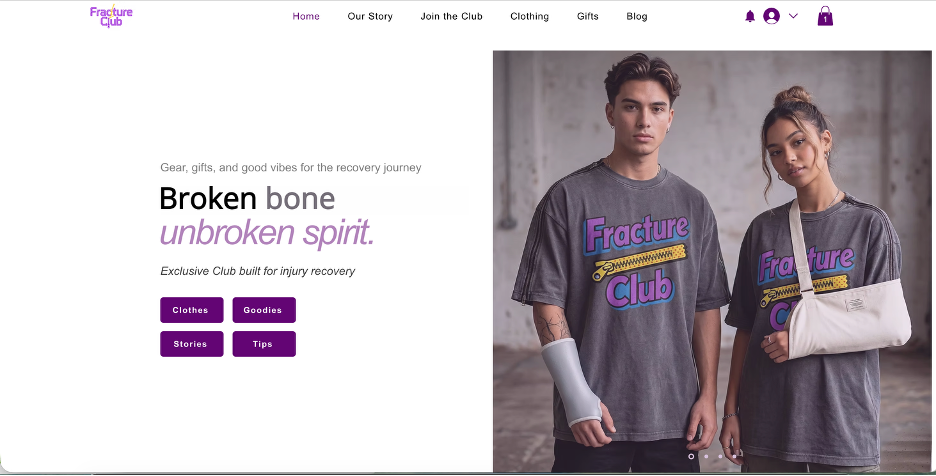
If you’re ready to put these layering rules into practice, our recovery wear collection was built for exactly this kind of dressing. The magnetic shoulder zip tee and easy-on/off adaptive pants both work as base layers in the three-layer system above.
[
](fracture-club.com)
FAQ
Can you wear a back brace under your shirt?
Yes, a snug cotton-elastane or moisture-wicking base layer worn directly under a back brace, followed by a looser shirt on top, keeps the brace mostly invisible. The key is a base layer with no bulky seams sitting across the brace’s trim line.
How do I hide my undershirt lines when wearing a brace?
Choose a seamless or flat-knit undershirt sized snug but not tight, since visible lines usually come from seams or fabric that’s too loose and bunches. A slightly longer length also keeps the undershirt from riding up and creating extra fabric folds under the brace.
How do I add discreet closures to pants for easier dressing with a brace?
Side magnetic or zip closures, like those on adaptive recovery pants, replace tight waistbands that press against a low-sitting brace. Swapping a standard zipper and button for a side closure also speeds up dressing when mobility is limited.
What fabric is best to wear under a scoliosis brace?
Cotton with elastane performed well across temperatures in a controlled comparison of T-shirt fabrics and remains the most affordable, widely available choice, while moisture-wicking synthetic fabric absorbed the least sweat but costs more, according to this comfort study. Either works well as long as the fit is snug and the seams sit away from the brace’s edges.
Is it safe to use lotion under a brace?
Clinical guidance recommends against applying greasy lotions, ointments, or powders directly before putting a brace back on, since they can soften skin and raise the risk of abrasion where the brace presses, per skin care guidance for orthopedic devices. Let any skin product absorb fully and dry before re-donning the brace.
Recommended
Comments