
Connecting with an Injury Recovery Community


Connecting with an injury recovery community is one of the most effective steps you can take to improve both your physical and emotional healing. Peer support, the clinical term for structured connection between people sharing similar health experiences, reduces isolation, lowers anxiety, and builds the motivation that solo recovery rarely sustains. Organizations like SAMHSA, the American Trauma Society, and trauma centers across the country recognize peer support as a legitimate complement to clinical care. You do not have to figure this out alone. The right community can turn one of the hardest seasons of your life into something you actually get through.
What types of injury recovery communities exist?
Recovery communities fall into several clear categories, and knowing the difference helps you find the right fit faster.
Formal hospital-based support groups are the most structured option. Trauma centers frequently host monthly support groups free of charge, led by social workers or licensed therapists. These groups offer safety, professional facilitation, and a consistent schedule. Many programs meet during the 2nd through 4th week of the month, lasting 60–90 minutes, with both in-person and virtual attendance options. That flexibility matters when you are managing a cast, brace, or limited mobility.
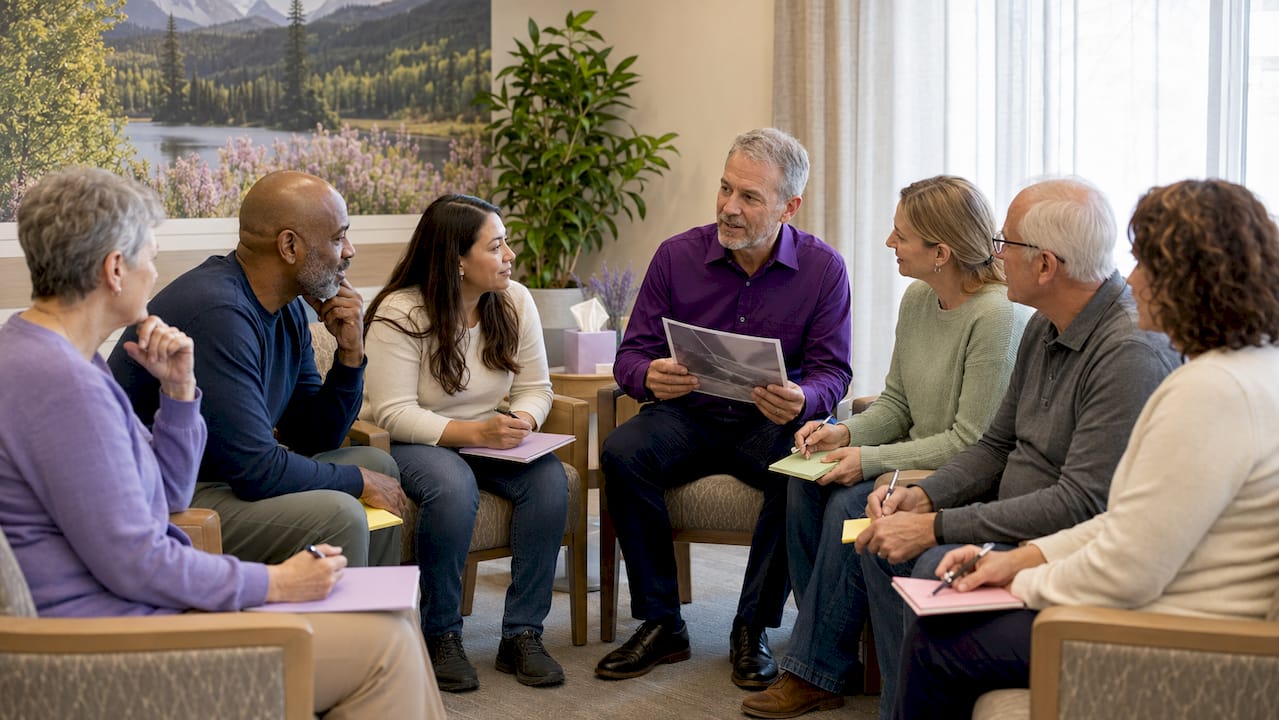
Specialized injury communities go deeper on specific conditions. Groups built around ACL recovery, traumatic brain injury (TBI), limb loss, or bone fractures provide structured educational resources alongside emotional support. These include classroom-style education, step-by-step rehab guidance, and professional Q&A sessions. If your injury is specific, a specialized group will speak your language in a way a general support group cannot.
Peer-led recovery circles are built around lived experience rather than clinical credentials. Peer support workers with certification or firsthand recovery experience translate clinical advice into daily habits. That translation is where a lot of people get stuck. A therapist can tell you to “manage stress.” A peer who broke the same bone and went back to work can tell you exactly how they did it.
Online injury recovery networks operate as closed, verified spaces. Meaningful connection develops in small, familiar groups where repeated attendance allows deeper vulnerability. Privacy matters here. Look for groups that verify members, limit group size, and maintain consistent participation. Open public forums can feel supportive at first, but they rarely build the trust that produces real change.
To find credible groups, start with your hospital’s trauma program, your rehabilitation center, or a search through the Trauma Survivors Network. Your physical therapist or orthopedic surgeon can also point you toward vetted local or virtual options.
How to prepare yourself before joining a recovery group
Walking into your first session without any preparation is the fastest way to feel out of place and not come back. A little groundwork changes everything.
Start with your mindset. Recovery is a long process, and community support works the same way. Experts emphasize the value of showing up repeatedly and recognizing every small step forward. Do not expect one session to fix how you feel. Expect it to be the first of many that gradually shift your perspective.
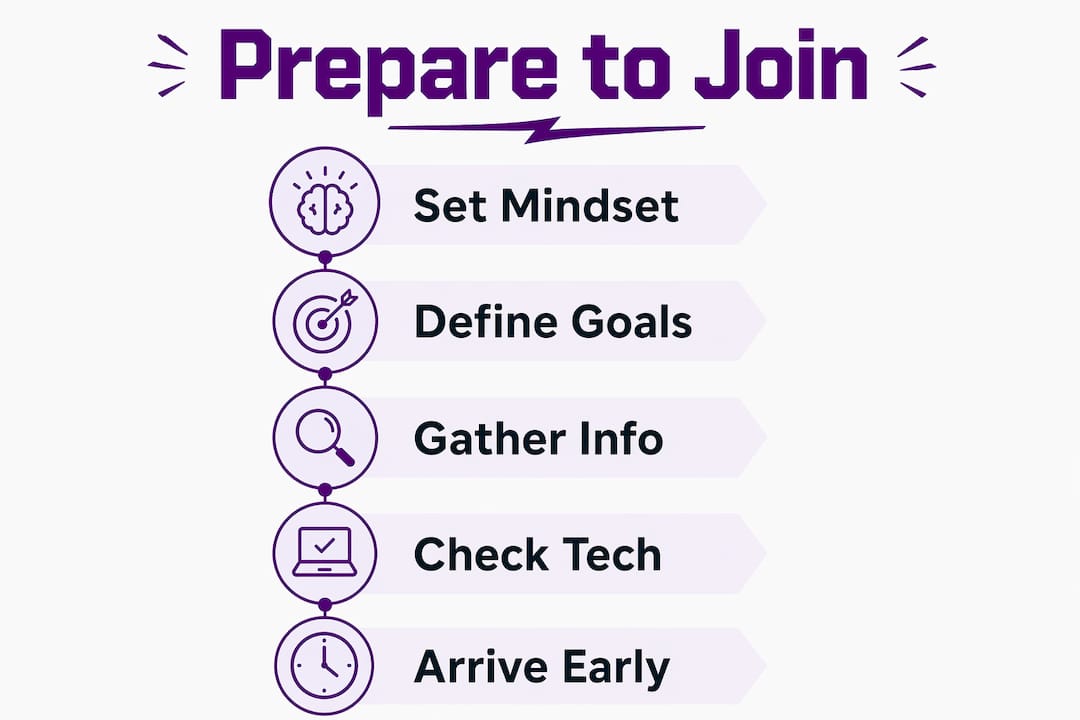
Set a specific, small goal for your first session. You do not need to share your full story on day one. A realistic goal might be to introduce yourself, listen to two other people’s experiences, or ask one question. That kind of concrete intention keeps you from sitting in silence and leaving feeling like the group was not for you.
Gather your logistics before you attend:
Confirm the group format (in-person, virtual, or hybrid) and test your technology if it is online.
Write down two or three things you want to get out of the group, such as practical advice, emotional support, or accountability.
Note the facilitator’s name and any contact information provided by the hosting organization.
Check whether the group is open or closed, and understand the privacy expectations before you share anything personal.
Ask your care team, such as your physical therapist or social worker, whether they recommend this specific group.
Pro Tip: If you are joining a virtual group, log in five minutes early. Technical issues during the first session can feel discouraging. Arriving early also gives you a chance to greet the facilitator before the group dynamic starts.
How to engage effectively in injury recovery communities
Showing up is step one. Getting something real out of the experience requires a bit more intention.
Your first session
Expect the first session to feel unfamiliar. Most groups open with brief introductions, a check-in question, and then open sharing. You are not required to speak at length. Listen carefully. Notice who seems to be further along in recovery than you. Those people are your most valuable resource in the room.
Active vs. passive participation
Active participation, such as sharing a win, asking a question, or responding to someone else’s story, produces measurably better outcomes than passive observation. Passive lurking can actually worsen feelings of alienation over time. You do not need to dominate the conversation. One genuine contribution per session is enough to shift you from observer to member.
Sharing your story
Share what feels true, not what feels impressive. Recovery communities respond to honesty, not performance. Start with where you are right now, not the full history of your injury. A simple statement like “I had surgery six weeks ago and I am struggling with the boredom of being home” opens more doors than a detailed medical timeline.
Building accountability through attendance
Consistent attendance is what turns a support group into a genuine community. The peer recovery model works because repeated presence builds trust, and trust is what allows people to be honest about setbacks. Commit to at least three or four sessions before you evaluate whether a group is the right fit. Group dynamics shift as members get comfortable, and what feels awkward in week one often feels natural by week four.
Pro Tip: After each session, write down one thing you heard that resonated with you. This habit builds your awareness of progress over time and gives you something to bring back to the next session.
What are the common challenges in finding recovery connections?
Most people hit at least one of these walls. Knowing they are normal makes them easier to get past.
“My experience is too unique to share.” Every person in a recovery group felt this before their first session. Injury experiences vary widely, but the emotional patterns, fear, frustration, boredom, and grief, are shared across nearly every type of injury. You have more in common with the group than you think.
Slow progress feels discouraging. Recovery is not linear, and neither is the benefit of community support. Group dynamics evolve over time, and many communities recommend attending three to four sessions before drawing conclusions about fit. Give the process time before you decide it is not working.
Confusing community for medical care. A support group is not a substitute for your doctor, physical therapist, or mental health professional. It complements clinical care by addressing what clinical appointments often cannot: the daily emotional weight of healing. Keep both in your life.
Group fit problems. Not every group will feel right. The facilitator’s style, the group’s focus, or the format may not match what you need. That is not a failure. Try a different group, a different format, or a different time slot. The right fit exists.
Discomfort with vulnerability. Sharing personal struggles with strangers is genuinely hard. Start small. You do not have to go deep to benefit. Even listening actively and nodding in recognition builds connection over time.
Key takeaways
Connecting with an injury recovery community works best when you choose the right group type, prepare with clear goals, participate actively, and commit to consistent attendance over multiple sessions.
Point | Details |
Choose the right group type | Hospital-based, specialized, peer-led, and online groups each serve different needs. |
Prepare before your first session | Set a small goal and confirm logistics to reduce first-session anxiety. |
Participate actively | One genuine contribution per session shifts you from observer to engaged member. |
Commit to multiple sessions | Attend three to four sessions before evaluating whether a group fits your needs. |
Community complements clinical care | Peer support addresses daily emotional challenges that medical appointments often cannot. |
What I have learned about community and recovery
Recovery communities changed how I think about healing. The clinical model treats the body. Community treats the person. Those are not the same thing, and pretending they are leaves a lot of people struggling in silence long after their physical injury has healed.
The most powerful shift I have seen is what happens when someone stops identifying as a patient and starts identifying as a survivor. That identity change reduces shame and builds the kind of emotional resilience that makes the hard days manageable. It does not happen in a single session. It happens through repeated presence, repeated honesty, and repeated exposure to people who have been where you are and kept going.
The conventional wisdom says to “find support.” That advice is too vague to be useful. What actually works is showing up to the same group, with the same people, week after week, until the room starts to feel like yours. Peer facilitators with lived experience are the ones who make that possible. They are not just moderating a conversation. They are translating clinical recovery into something you can actually do on a Tuesday afternoon when motivation is gone and the couch is winning.
Stop looking for a quick emotional fix from community. Start looking for a consistent place to be honest. That shift in expectation is what makes the difference.
— Fracture
Recovery wear that supports your healing every day
Healing is hard enough without fighting your clothes every morning. Fracture-club designs adaptive recovery clothing specifically for people with casts, braces, and post-surgical limitations. The goal is simple: get dressed without pain, frustration, or needing help.
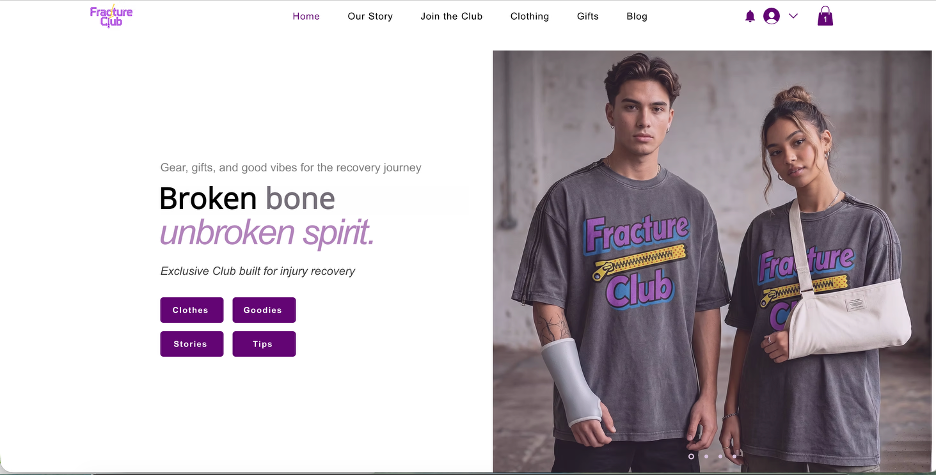
The Unisex Easy-On/Off Adaptive Recovery Pants feature side magnetic zippers that make dressing possible even with limited hand strength or range of motion. For upper limb injuries, the Easy-On/Off Sweatshirt offers the same thoughtful design. A portion of every purchase benefits the Bone Health & Osteoporosis Foundation. If you are looking for recovery gift ideas for someone you care about, Fracture-club has options that celebrate resilience rather than just marking an injury.
FAQ
What is peer support in injury recovery?
Peer support is a structured model where people with lived recovery experience provide guidance and encouragement to others going through similar challenges. SAMHSA recognizes peer support workers as a legitimate part of the recovery care team.
How do I find a credible injury recovery support group?
Start with your hospital’s trauma program, rehabilitation center, or the Trauma Survivors Network. Your physical therapist or orthopedic surgeon can also refer you to vetted local or virtual groups.
How many sessions should I attend before deciding if a group fits?
Most recovery communities recommend attending three to four sessions before evaluating fit. Group dynamics shift as members grow comfortable, and early discomfort is normal.
Can online injury recovery networks replace in-person groups?
Online groups provide genuine connection, especially for people with mobility limitations, but they work best as closed, verified spaces with consistent membership. They complement rather than replace in-person options when both are available.
Is a recovery community a substitute for medical care?
No. Peer support and recovery communities complement clinical treatment by addressing the emotional and daily challenges that medical appointments often cannot cover. Keep both your care team and your community active throughout recovery.
Recommended
Comments