
Bone Health Best Practices for Aging Adults: 2026 Guide
- T. Armstrong

- Jul 11
- 8 min read

Bone health best practices for aging adults combine targeted nutrition, weight-bearing exercise, and fall prevention to preserve bone density and cut fracture risk. The medical term for age-related bone loss is osteoporosis, and it affects millions of older adults who show no symptoms until a fracture occurs. The National Academy of Medicine sets calcium at 1,200 mg daily for women 51 and older, and vitamin D at 800 IU for adults 71 and older. These numbers are not suggestions. They are the minimum thresholds your skeleton needs to stay strong as you age.
1. Bone health best practices aging adults need to start with nutrition
Calcium and vitamin D are the foundation of strong bones, but they are not the whole story. Your body also needs protein to maintain muscle mass around bones, and vitamin C to produce collagen, which gives bone its flexibility. Without adequate protein, you lose muscle faster, a condition called sarcopenia, which raises your fall risk significantly.
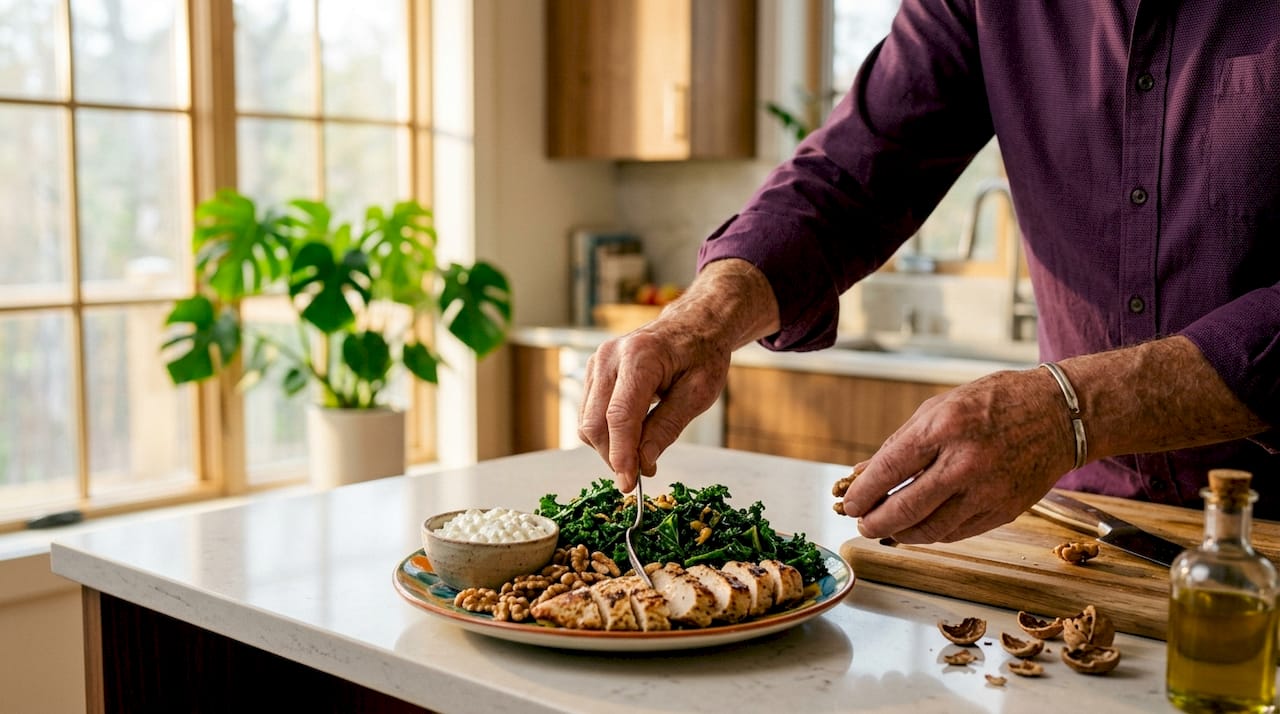
The National Academy of Medicine recommends 800 IU of vitamin D daily for adults 71 and older, and 600 IU for those 70 and younger. Vitamin D helps your gut absorb calcium. Without it, even a calcium-rich diet falls short.
Foods that deliver the most bone benefit include:
Dairy: Yogurt, cheese, and milk supply calcium and protein together
Canned salmon: Provides both calcium (from soft bones) and vitamin D
Tofu: A plant-based calcium source that also contains protein
Nuts: Almonds and walnuts support muscle and bone tissue
Prunes and dried figs: Linked to reduced bone loss in clinical studies
Diet also affects inflammation, and inflammatory markers directly influence bone loss and fracture healing. An anti-inflammatory diet rich in vegetables, whole grains, and omega-3 fats supports bone health beyond just calcium and vitamin D intake.
Pro Tip: Pair calcium-rich foods with vitamin D sources at the same meal. For example, canned salmon with a side of fortified yogurt gives you both nutrients together, which improves absorption.
2. Which supplements actually help with bone strength?
Supplements fill gaps that diet alone cannot always cover, but they carry real risks when overused. Calcium carbonate is the most common supplement form and works best taken with food. Calcium citrate absorbs well without food and suits adults with lower stomach acid, which is common after age 60.
For science-backed guidance on bone health supplements, look for products that combine calcium with vitamin D3, the most bioavailable form. Magnesium also supports bone mineral density and is often missing from standard calcium supplements.
Avoid taking more than 500 mg of calcium at one time. Your body cannot absorb large doses efficiently, and excess calcium from supplements has been linked to cardiovascular concerns in some studies. Food-based calcium does not carry the same risk, which is why diet comes first. You can find a detailed breakdown of choosing supplements wisely to help you sort through the options without guesswork.
3. What are the most effective bone density exercises for older adults?
Weight-bearing exercise is the single most effective non-pharmaceutical tool for maintaining bone density as you age. When your bones carry your body weight against gravity, they respond by building more bone tissue. This is called mechanical loading, and it is the reason walking beats swimming for bone health.
The most effective weight-bearing activities include:
Walking and stair climbing: Low risk, high accessibility, and proven hip and leg bone benefits
Tai Chi: Improves balance and coordination, reducing fall risk in older adults
Low-impact aerobics: Keeps joints safe while still loading bones
Resistance training: Squats, farmer’s carries, and deadlifts target the hips and spine directly
Walking and jumping improve bone density mainly in the legs and hips. Upper body bones require resistance exercises like push-ups, rows, or overhead lifts. A complete program targets both areas.
Swimming and cycling are excellent for cardiovascular health, but neither provides the mechanical load needed to stimulate bone growth. If swimming is your primary activity, pair it with at least two resistance training sessions per week.
Pro Tip: If you add jump training, keep sessions to 10–20 jumps twice daily. Rest between jumps to let bone tissue respond properly and reduce injury risk. Continuous impact without rest works against you.
4. How jump training improves hip bone density
Jump training is one of the most underused tools in bone health for aging adults. Research shows jump training can improve hip bone density by 1.5% over six months with consistent practice. That may sound small, but a 1.5% gain in hip density translates directly to lower fracture risk in one of the most injury-prone areas of the aging skeleton.
The protocol that produces results involves 10–20 jumps twice daily or 20–30 minute sessions three times per week. The key is rest between each jump. Bone responds best to impact followed by a brief pause, not continuous bouncing. This gives bone cells time to register the load and begin building.
Jump training is not appropriate for everyone. Adults with existing osteoporosis, joint replacements, or balance issues should consult a physician before starting. For those who qualify, it is one of the fastest ways to build hip density without medication.
5. Why personalized exercise plans outperform generic routines
No single exercise program works for every aging adult. DVO guidelines recommend tailored exercise programs based on individual bone density scores, fall risk assessments, and physical capacity. A 65-year-old with mild osteopenia needs a different program than a 78-year-old recovering from a hip fracture.
Personalized plans account for which bones are most at risk, what movements are safe, and how much load the body can handle. Generic routines often miss the upper body entirely or push impact loading on adults who are not ready for it. Both errors reduce results and raise injury risk.
The Royal Osteoporosis Society is clear that exercise complements but does not replace prescribed osteoporosis medication for high-risk individuals. If your doctor has prescribed bisphosphonates or another bone medication, exercise works alongside it. It does not substitute for it.
6. How lifestyle factors affect fracture risk in seniors
Smoking directly damages osteoblasts, the cells responsible for building new bone. Adults who smoke lose bone density faster than non-smokers and face a significantly higher osteoporosis risk. Quitting at any age slows that loss and gives your skeleton a chance to recover.
Alcohol limits matter too. Consuming more than 14 units of alcohol per week impairs calcium absorption and disrupts the hormones that regulate bone turnover. Fourteen units is roughly six pints of regular beer or ten small glasses of wine spread across a week.
Fall prevention is as important as bone density itself. A strong skeleton still breaks when you fall from standing height. Home safety measures that reduce fall risk include:
Removing loose rugs and clutter from walkways
Installing grab bars in bathrooms and near stairs
Improving lighting in hallways and stairwells
Wearing supportive, non-slip footwear indoors
DEXA scanning, the standard bone density test, gives you a baseline and tracks changes over time. Adults over 65, and younger adults with risk factors, benefit from regular screening. Early detection means earlier intervention, which is always more effective than treating an established fracture.
7. Top foods and habits to reduce fracture risk and sarcopenia
Diet is one of the most modifiable factors in long-term bone health. High consumption of cheese and yogurt is linked to an 8–11% reduction in fracture risk. That reduction comes from the combination of calcium, protein, and bioactive compounds in fermented dairy, not from calcium alone.
Daily nut consumption lowers sarcopenia risk by 28%. Sarcopenia is the age-related loss of muscle mass that weakens the support structure around your bones and raises fall risk. Nuts deliver protein, magnesium, and healthy fats that support both muscle and bone tissue.
Habits that consistently reduce fracture risk include:
Eating two to three servings of dairy or fortified alternatives daily
Adding a small handful of nuts to one meal each day
Including prunes or dried figs three to four times per week
Limiting processed foods, excess salt, and caffeine, all of which impair calcium absorption
Spreading calcium intake across meals rather than taking it all at once
You can also explore daily habits after 50 that reinforce these dietary choices with practical routines.
Key takeaways
Maintaining bone density after 50 requires consistent nutrition, targeted exercise, and lifestyle changes working together, not any single intervention alone.
Point | Details |
Meet calcium and vitamin D targets | Women 51+ need 1,200 mg calcium daily; adults 71+ need 800 IU vitamin D daily. |
Prioritize weight-bearing exercise | Walking, resistance training, and jump training build bone density in the hips and spine. |
Eat dairy and nuts regularly | Cheese, yogurt, and nuts reduce fracture and sarcopenia risk by measurable amounts. |
Limit alcohol and quit smoking | Both impair bone-building cells and calcium absorption, accelerating bone loss. |
Get a DEXA scan | Early bone density testing allows earlier, more effective intervention before fractures occur. |
What I’ve learned about bone health that most articles miss
Most bone health content focuses on calcium and calls it done. That misses the bigger picture. After years of working alongside people recovering from fractures, the pattern I see most often is not calcium deficiency. It is a combination of muscle weakness, poor balance, and a home environment that sets people up to fall.
Bone density matters, but the fracture happens because of the fall. That is why I believe fall prevention deserves equal weight to nutrition in any serious bone health plan. Tai Chi, balance training, and home safety modifications are not optional extras. They are core interventions.
The other thing I see underestimated is the role of protein. Aging adults are often told to cut back on red meat and eat less overall. But inadequate protein accelerates sarcopenia, which weakens the muscular support around bones and raises fall risk. You need enough protein to maintain muscle, and most older adults are not getting it.
My honest recommendation: get a DEXA scan, work with a physical therapist on a personalized exercise plan, and treat your diet as medicine. The research on fracture risk with age is clear. The earlier you act, the more you preserve.
— Fracture
Adaptive recovery wear that supports your bone health goals
Staying active and independent during fracture recovery is one of the hardest parts of the process. Getting dressed should not add to that difficulty.
[
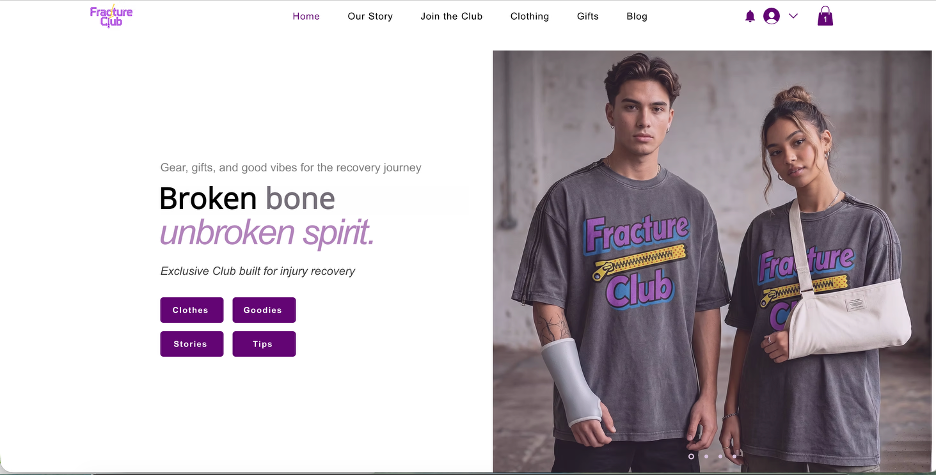
Fracture-club designs adaptive recovery pants with side magnetic zippers that open fully, making it possible to dress over a cast or brace without help. The design protects your independence on the days when everything else feels out of your control. A portion of every purchase benefits the Bone Health & Osteoporosis Foundation, so your recovery supports a larger mission. If you are healing from a fracture or supporting someone who is, Fracture-club’s recovery wear is built for exactly this moment.
FAQ
How much calcium do adults over 50 need daily?
Women 51 and older need 1,200 mg of calcium daily, while general guidance for adults over 50 recommends at least 700 mg. Spread intake across meals for better absorption.
Does walking improve bone density?
Walking improves bone density in the legs and hips but does not strengthen upper body bones. Pair walking with resistance exercises like push-ups or rows for full-body bone benefits.
What foods reduce fracture risk the most?
High consumption of cheese and yogurt is linked to an 8–11% reduction in fracture risk. Daily nut intake also lowers sarcopenia risk by 28%, which indirectly reduces fracture risk by preserving muscle strength.
Can exercise replace osteoporosis medication?
No. The Royal Osteoporosis Society states that exercise complements but does not substitute for prescribed osteoporosis medication in high-risk individuals. Both work best together.
How often should aging adults get a bone density test?
Adults over 65 should have a DEXA scan to establish a baseline and monitor changes over time. Younger adults with risk factors such as smoking, low body weight, or family history of osteoporosis benefit from earlier screening.
Recommended
Comments